Auteur: Smart Finds

  • High Speed Blender vs Regular Blender: What’s the Difference?

    High speed blender vs regular blender is a common comparison when choosing a blender. Many people are unsure whether they really need a high-speed blender or if a regular one is enough. In this high speed blender vs regular blender guide, you will learn the key differences and which option is best for your needs.


    What Is a High-Speed Blender

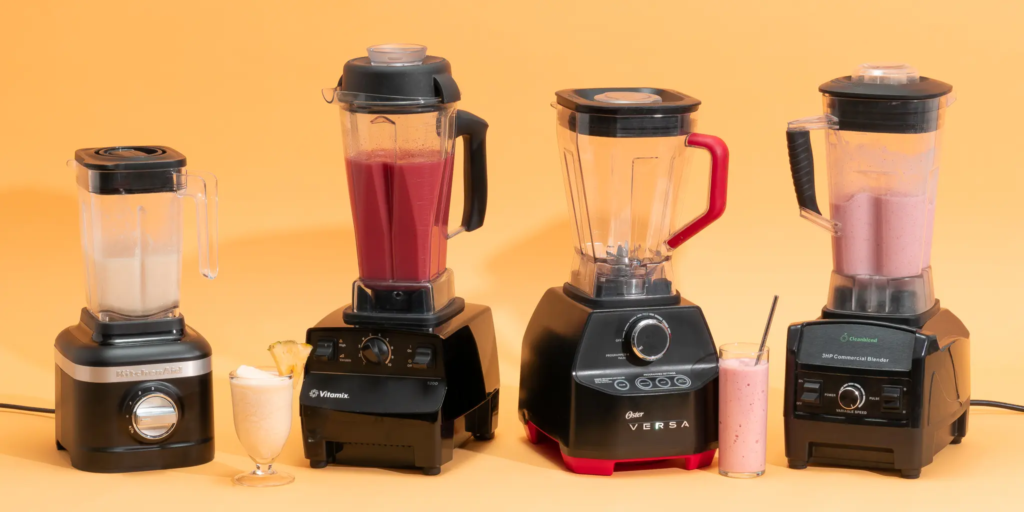
    A high-speed blender is designed for maximum power and performance. In the high speed blender vs regular blender comparison, high-speed blenders usually have more than 1000 watts and can handle tough ingredients like ice, frozen fruit, and nuts with ease.

    Another advantage in the high speed blender vs regular blender discussion is that high-speed blenders produce smoother results. They can break down ingredients more effectively, making them ideal for smoothies and thick mixtures.


    What Is a Regular Blender

    A regular blender is suitable for basic tasks. In the high speed blender vs regular blender comparison, regular blenders usually have lower wattage and are best for soft ingredients like fruits and liquids.

    Regular blenders are more affordable and easier to use for simple tasks. However, they may struggle with ice or harder ingredients, which is an important factor in the high speed blender vs regular blender decision.


    Key Differences

    In the high speed blender vs regular blender comparison, power is the biggest difference. High-speed blenders are more powerful, while regular blenders are more basic.

    Performance is another key factor in the high speed blender vs regular blender discussion. High-speed blenders create smoother textures, while regular blenders may leave chunks.

    Price also plays a role in the high speed blender vs regular blender decision. High-speed blenders are more expensive, while regular blenders are budget-friendly.


    Which One Should You Choose

    Choosing between high speed blender vs regular blender depends on your needs. If you blend frozen fruit, ice, or thick ingredients, a high-speed blender is the better choice.

    If you only need a blender for simple tasks like smoothies or shakes, a regular blender is usually enough. In the high speed blender vs regular blender decision, your usage is the most important factor.


    Common Mistakes

    A common mistake in the high speed blender vs regular blender comparison is buying a regular blender for heavy use. Another mistake is spending too much on a high-speed blender when you only need basic features.

    Understanding your needs will help you make the right high speed blender vs regular blender decision.


    Conclusion

    High speed blender vs regular blender is not about which one is better overall, but which one fits your needs. By understanding the differences, you can choose the right blender and get the best results.

    Check the best high-speed blenders here
    See top blender recommendations

  • Personal vs Countertop Blender: Which One Should You Choose?

    Personal vs countertop blender is a common comparison for people looking to buy a blender. Each type has its own advantages and is designed for different needs. In this personal vs countertop blender guide, you will learn the key differences and which one is the best choice for you.


    What Is a Personal Blender

    A personal blender is small, compact, and designed for single servings. In the personal vs countertop blender comparison, personal blenders are ideal for quick smoothies and protein shakes. They are easy to use, easy to clean, and perfect for people with a busy lifestyle.

    Another advantage of a personal vs countertop blender comparison is convenience. Personal blenders are lightweight and often come with travel cups, making them perfect for on-the-go use. However, they are not as powerful as larger models and may struggle with tough ingredients.


    What Is a Countertop Blender

    A countertop blender is larger and more powerful. In the personal vs countertop blender comparison, countertop blenders are better for families or for making larger batches. They can handle tougher ingredients like ice, frozen fruit, and nuts more easily.

    Countertop blenders also offer more features, such as multiple speed settings and larger capacity. However, they take up more space and are usually more expensive than personal blenders.


    Key Differences

    In the personal vs countertop blender comparison, size is one of the biggest differences. Personal blenders are compact, while countertop blenders are larger. Power is another key difference, with countertop blenders offering stronger motors.

    Capacity also matters in the personal vs countertop blender decision. Personal blenders are designed for one person, while countertop blenders can serve multiple people at once.


    Which One Should You Choose

    Choosing between personal vs countertop blender depends on your needs. If you want something quick and easy for single servings, a personal blender is the best choice. If you need more power and want to prepare larger quantities, a countertop blender is better.

    In the personal vs countertop blender decision, lifestyle plays a big role. Busy individuals may prefer personal blenders, while families may benefit more from countertop models.


    Common Mistakes

    A common mistake in the personal vs countertop blender comparison is choosing a personal blender when you actually need more power. Another mistake is buying a countertop blender when you only need it for simple tasks.

    Understanding your needs will help you avoid these mistakes in the personal vs countertop blender decision.


    Conclusion

    Personal vs countertop blender is not about which one is better overall, but which one fits your needs. Both options have their advantages, and the right choice depends on how you plan to use your blender.

  • Glass vs Plastic Blender Jar: Which One Is Better?

    Glass vs plastic blender jar is an important choice when buying a blender. The material of the jar affects durability, weight, and overall performance. In this guide, you will learn the differences between glass and plastic blender jars and which one is better for your needs.

    Glass vs Plastic Blender Jar: Which One Is Better?

    Glass vs plastic blender jar is one of the most important decisions when buying a blender. Many people do not realize how much the jar material affects performance, durability, and overall experience. In this glass vs plastic blender jar guide, you will learn the key differences and how to choose the best option for your needs.

    Glass Blender Jar

    A glass blender jar is known for its durability and premium feel. One of the biggest advantages of a glass vs plastic blender jar comparison is that glass does not scratch easily. This means your blender jar will stay clear and clean even after long-term use. Another benefit of a glass blender jar is that it does not absorb odors or stains, which is important when blending strong ingredients.

    However, in the glass vs plastic blender jar debate, glass also has some downsides. A glass blender jar is heavier, which can make it less convenient for daily use. It can also break if dropped, so it requires more careful handling. Still, many people prefer a glass blender jar because of its quality and long lifespan.

    Plastic Blender Jar

    A plastic blender jar is a popular choice for many users. In the glass vs plastic blender jar comparison, plastic stands out because it is lightweight and easy to handle. This makes it perfect for everyday use, especially if you use your blender frequently.

    Another advantage in the glass vs plastic blender jar discussion is that plastic jars are more resistant to breaking. Most modern plastic blender jars are made from BPA-free materials, making them safe for food use. However, plastic can scratch over time and may absorb odors or stains. This is one of the main disadvantages when comparing glass vs plastic blender jar options.

    Key Differences Between Glass vs Plastic Blender Jar

    When comparing glass vs plastic blender jar options, there are several key differences to consider. Glass blender jars are heavier but more resistant to scratches and odors. Plastic blender jars are lighter and easier to use but may wear out faster. In the glass vs plastic blender jar debate, glass offers a more premium feel, while plastic is more practical.

    Another important factor in glass vs plastic blender jar comparisons is maintenance. Glass is easier to clean and does not retain smells, while plastic may require more care over time. These differences can help you decide which option is better for your lifestyle.

    Which One Should You Choose

    Choosing between glass vs plastic blender jar depends on your needs. If you want durability and do not mind extra weight, a glass blender jar is a great choice. If you prefer convenience and lightweight design, a plastic blender jar is better.

    For most beginners, the glass vs plastic blender jar decision usually comes down to convenience. Plastic is easier to use daily, while glass is better for long-term quality. Understanding your usage will help you make the right choice.

    Common Mistakes

    A common mistake in the glass vs plastic blender jar decision is thinking one is always better than the other. Both have pros and cons. Another mistake is choosing low-quality plastic that scratches quickly. It is important to focus on quality when comparing glass vs plastic blender jar options.

    Conclusion

    Glass vs plastic blender jar is not about which one is better overall, but which one fits your needs. By understanding the differences between glass vs plastic blender jar options, you can choose the right blender for your kitchen. Whether you choose glass or plastic, both can deliver great results when used correctly.

  • Blender Motor vs Blade Design: What Matters Most?

    Blender motor vs blade design is an important topic when choosing the right blender. Many people focus only on motor power, but blade design also plays a huge role in performance. In this guide, you will learn how both affect blending results and which one matters most.

    Blender Motor vs Blade Design: What Matters Most?

    Blender motor vs blade design is an important factor when choosing the right blender. Many people think that a higher wattage automatically means better performance, but that is not always true. Both the motor and the blade design play a key role in how well a blender works. In this guide, you will learn how each one affects performance and which one matters most.

    What Does the Blender Motor Do

    The motor is the core of the blender and provides the power needed to blend ingredients. It determines how strong and fast the blender can operate. A powerful motor can handle tough ingredients like ice, frozen fruit, and nuts without slowing down. Blenders with higher wattage usually perform better, especially when blending thick mixtures or using the blender frequently.

    What Does Blade Design Do

    Blade design is just as important as the motor. The shape, angle, and position of the blades determine how ingredients are processed. Well-designed blades create a smooth and consistent texture by pulling ingredients down and blending them evenly. Even a powerful motor can struggle if the blade design is poor.

    Motor vs Blade Design

    When comparing blender motor vs blade design, it is important to understand that both need to work together. A strong motor with poor blades may not give smooth results. On the other hand, good blades with a weak motor may struggle with hard ingredients. The best performance comes from a balance between motor power and blade efficiency.

    Why Motor Power Matters

    Motor power is important for speed and strength. It allows the blender to process ingredients quickly and prevents it from getting stuck. High-powered blenders are especially useful for crushing ice, making frozen drinks, and blending thick mixtures. Without enough power, the blender may overheat or fail to deliver smooth results.

    Why Blade Design Matters

    Blade design affects how well ingredients are mixed and blended. High-quality stainless steel blades are durable and stay sharp longer. Good blade design ensures that all ingredients are evenly blended, reducing chunks and improving texture. It also helps the blender work more efficiently, even at lower speeds.

    Which One Is More Important

    Both the motor and blade design are important, but motor power is usually slightly more important for most users. However, without proper blade design, even a powerful blender cannot perform at its best. For the best results, you should always look for a blender that combines both strong motor power and well-designed blades.

    Conclusion

    Blender motor vs blade design is not about choosing one over the other. The best blender is one that has a powerful motor and efficient blade design working together. By understanding these two factors, you can choose a blender that delivers smooth, consistent results every time.

  • Blender Buying Guide for Beginners: How to Choose the Best Blender

    This blender buying guide for beginners will help you understand what really matters before buying a blender. With so many options available, it’s easy to choose the wrong one. In this guide, you’ll learn how to pick the best blender based on your needs, budget, and daily use.

    Blender buying guide for beginners showing different types of blenders and features

    Blender Buying Guide for Beginners: How to Choose the Best Blender

    This blender buying guide for beginners will help you choose the right blender for your needs. With so many options available, it can be confusing to know which blender is the best for you. Some blenders are designed for simple tasks like making smoothies, while others are powerful enough to crush ice and blend tough ingredients. In this guide, you will learn everything you need to know before buying a blender so you can make the right choice.

    Types of Blenders

    There are several types of blenders, and each one is designed for a specific purpose. Countertop blenders are the most common and are ideal for everyday use. They are powerful, versatile, and can handle smoothies, soups, and even ice crushing. Personal blenders are smaller and more compact, making them perfect for single servings. They are easy to use and convenient for quick drinks. Immersion blenders, also known as hand blenders, are handheld devices that are great for blending soups and sauces directly in a pot or bowl.

    What Will You Use It For

    Before buying a blender, it is important to think about how you plan to use it. If you mainly want to make smoothies, you will need a blender with enough power to blend fruits and vegetables smoothly. If you want to crush ice or make frozen drinks, a high-powered blender is necessary. For soups and sauces, an immersion blender can be a good option. If you only need a blender for protein shakes, a basic model will usually be enough. Understanding your needs will help you choose the right blender without overspending.

    Blender Power (Wattage)

    Power is one of the most important factors to consider when choosing a blender. Blenders with 300 to 600 watts are suitable for basic tasks such as blending soft fruits and making simple drinks. Blenders with 700 to 1000 watts offer better performance and can handle smoothies and slightly tougher ingredients. Blenders with over 1000 watts are considered high-powered and are ideal for crushing ice, blending nuts, and handling heavy use. A more powerful blender will generally give you smoother results and better performance.

    Blade Quality

    The quality of the blades plays a major role in how well a blender performs. High-quality stainless steel blades are durable and stay sharp for a long time. Well-designed blades can blend ingredients more evenly and efficiently. Cheap or poorly designed blades may struggle with harder ingredients and can result in uneven textures. When choosing a blender, it is important to look for strong and reliable blade construction.

    Speed Settings and Functions

    Most modern blenders come with multiple speed settings and additional functions. Low speed is useful for soft ingredients, while high speed is better for tougher ingredients. The pulse function allows you to control the blending process more precisely, which is helpful when you want a specific texture. Some blenders also come with pre-programmed settings for smoothies, soups, or ice crushing. These features can make the blender easier to use, especially for beginners.

    Jar Material

    Blender jars are usually made from either glass or plastic, and each material has its advantages. Glass jars are durable, resistant to scratches, and do not absorb odors or stains. However, they are heavier and can break if dropped. Plastic jars are lighter and more resistant to breaking, but they can scratch over time and may absorb smells. Choosing between glass and plastic depends on your preference and how you plan to use the blender.

    Size and Capacity

    The size and capacity of the blender are also important factors to consider. If you are making drinks for one or two people, a smaller blender will be sufficient. For families or if you like to prepare large batches, a bigger blender is a better choice. Choosing the right size will make your blender more convenient to use and avoid unnecessary waste or effort.

    Budget Guide

    Blenders come in a wide range of prices, so it is important to choose one that fits your budget. Blenders under $100 are suitable for basic use but may not be very durable. Blenders in the $100 to $300 range offer better performance, stronger motors, and improved build quality. High-end blenders above $300 are designed for heavy use and provide excellent performance and durability. While it may be tempting to choose the cheapest option, investing in a better-quality blender can save you money in the long run.

    Common Mistakes to Avoid

    Many beginners make mistakes when buying a blender. One common mistake is choosing a blender that is too cheap, which often leads to poor performance and a shorter lifespan. Another mistake is ignoring the power of the motor, which can result in a blender that cannot handle your needs. Buying the wrong type of blender is also a common issue, especially if you do not consider how you will use it. Not checking reviews before buying can also lead to disappointment. Avoiding these mistakes will help you make a better decision.

    Conclusion

    Choosing the right blender does not have to be difficult if you know what to look for. By understanding the different types of blenders, considering your needs, and paying attention to important features like power, blade quality, and size, you can find the perfect blender for your kitchen. This blender buying guide for beginners gives you everything you need to make a smart and confident decision.

  • Are Expensive Blenders Worth It?

    Blenders come in a wide range of prices, from budget models to high-end machines. This leads many people to ask: are expensive blenders worth it?

    The answer depends on how you plan to use your blender and what you expect from it. While expensive blenders often offer better performance, durability, and features, not everyone needs that level of quality.

    Understanding the real differences between cheap and expensive blenders can help you decide if the higher price is justified. In this article, you will learn what makes a blender expensive and whether it is worth the investment.

    Are Expensive Blenders Worth It?

    Blenders come in a wide range of prices, from budget models to high-end machines. This leads many people to ask: are expensive blenders worth it?

    The answer depends on how you plan to use your blender and what you expect from it. While expensive blenders often offer better performance, durability, and features, not everyone needs that level of quality.

    Understanding the real differences between cheap and expensive blenders can help you decide if the higher price is justified.


    What Makes a Blender Expensive?

    When asking are expensive blenders worth it, it is important to understand what you are paying for.

    Higher-priced blenders often come with more powerful motors, better blade design, and stronger materials. These elements allow the blender to handle tougher ingredients and perform more consistently.

    Expensive models may also include additional features that improve ease of use, such as better controls or more refined settings. However, the main difference usually comes down to performance and build quality.


    Performance Differences

    One of the biggest reasons people consider high-end models is performance. When thinking about are expensive blenders worth it, performance is often the deciding factor.

    Expensive blenders are designed to create smoother textures, especially when blending hard or fibrous ingredients. They can process ice, frozen fruit, and vegetables more efficiently, resulting in a more consistent blend.

    Lower-cost blenders can still work well for basic tasks, but they may struggle with thicker mixtures or require more effort to achieve similar results.


    Durability and Lifespan

    Another important factor is durability. Expensive blenders are typically built to last longer and handle frequent use.

    If you use your blender daily, a higher-quality model may maintain its performance over time without wearing down quickly. This can make it a better long-term investment compared to replacing a cheaper blender more often.

    Durability becomes especially important for users who rely on their blender regularly.


    Ease of Use and Convenience

    Ease of use is another area where expensive blenders often stand out. Many high-end models are designed to make the blending process more simple and efficient.

    They may require less preparation, blend faster, and produce consistent results without needing adjustments. This can make a noticeable difference in daily use.

    Convenience can be a key reason why some people choose to invest in a more expensive blender.


    Are They Worth It for Smoothies?

    For many people, smoothies are the main reason to buy a blender. This raises the question: are expensive blenders worth it for smoothies?

    If you only make simple smoothies with soft ingredients, a budget blender may be enough. However, if you regularly use frozen fruit, ice, or leafy greens, a more powerful blender can provide smoother results and a better overall experience.

    The difference becomes more noticeable as the complexity of your recipes increases.


    When a Cheaper Blender Is Enough

    Not everyone needs a high-end blender. When deciding are expensive blenders worth it, it is important to consider your actual needs.

    If you use your blender occasionally and only for simple tasks, a basic model can be sufficient. Spending more may not provide significant benefits in this case.

    Understanding how often you use your blender and what you use it for can help you avoid overspending.


    Cost vs Long-Term Value

    Price is often the biggest concern when choosing a blender. Expensive models require a higher upfront investment, which may not be ideal for everyone.

    However, when thinking about are expensive blenders worth it, it is also important to consider long-term value. A more durable and efficient blender may last longer and perform better over time.

    In some cases, investing more initially can lead to better value in the long run.


    Noise and Build Quality

    Expensive blenders are often built with higher-quality materials, which can improve stability and overall performance. However, more power can sometimes mean more noise.

    Some high-end models are designed to reduce noise, but this varies depending on the design. Considering both performance and comfort can help you choose the right option.

    Build quality and noise level are both factors that affect daily use.


    Conclusion

    So, are expensive blenders worth it? The answer depends on your needs, habits, and expectations.

    If you want better performance, smoother results, and long-term durability, an expensive blender can be a worthwhile investment. If your needs are simple, a more affordable option may be enough.

    By understanding the differences and evaluating how you plan to use your blender, you can make a decision that fits your lifestyle and budget.

  • Which Blender Is Best for Everyday Use?

    Choosing the right blender can be difficult, especially when you plan to use it every day. Many people ask: which blender is best for everyday use?

    The answer depends on your habits, the types of ingredients you use, and how often you rely on your blender. A good everyday blender should be reliable, easy to use, and capable of handling a variety of tasks without any problems.

    In this article, you will learn what makes a blender suitable for daily use, what features to look for, and how to choose the best option for your needs.

    Which Blender Is Best for Everyday Use?

    Choosing the right blender can be difficult, especially when you plan to use it every day. Many people ask: which blender is best for everyday use?

    The answer depends on your habits, the types of ingredients you use, and how often you rely on your blender. A good everyday blender should be reliable, easy to use, and capable of handling a variety of tasks without any problems.

    In this article, you will learn what makes a blender suitable for daily use and how to choose the best option for your needs.


    What Makes a Blender Good for Daily Use?

    When thinking about which blender is best for everyday use, reliability is one of the most important factors. A blender that is used daily needs to perform consistently without losing power or efficiency.

    Ease of use is also essential. Simple controls and a straightforward design make it easier to use the blender regularly without frustration. A model that is quick to clean is another important advantage, especially when used multiple times a day.

    A good everyday blender should feel convenient rather than complicated.


    Performance and Versatility

    Performance plays a key role in determining which blender is best for everyday use. A blender that can handle different types of ingredients will be more useful in the long run.

    Some people use their blender only for smoothies, while others prepare soups, sauces, or other recipes. A versatile blender can adapt to these different needs without requiring multiple appliances.

    Having consistent performance across different uses makes a blender more practical for daily routines.


    Handling Different Ingredients

    An everyday blender should be able to handle both soft and slightly tougher ingredients. While not everyone needs the most powerful blender, having enough strength to process frozen fruit or ice can be very useful.

    If a blender struggles with certain ingredients, it can slow down your routine and make the process less enjoyable. A reliable blender should be able to handle common ingredients without requiring extra effort.

    This balance between power and ease of use is important for daily blending.


    Durability and Long-Term Use

    When considering which blender is best for everyday use, durability becomes very important. Daily use puts more strain on the motor and components, so the blender needs to be built to last.

    A well-made blender can handle repeated use without performance issues. Over time, this can make a significant difference in how satisfied you are with your purchase.

    Choosing a durable blender can help avoid the need for frequent replacements.


    Noise and Comfort

    Noise is another factor that becomes more noticeable with daily use. A blender that is used once in a while may not seem loud, but daily use can make noise more noticeable.

    Some blenders are designed to operate more quietly, which can improve the overall experience. This is especially useful if you use your blender early in the morning or in a shared living space.

    Comfort and convenience are just as important as performance.


    Size and Practicality

    The size of the blender also affects how suitable it is for everyday use. A compact design may be easier to store and fit into smaller kitchens.

    At the same time, the blender should have enough capacity to prepare the amount you need. Finding the right balance between size and capacity can make daily use more practical.

    A blender that fits well into your space is more likely to be used regularly.


    Ease of Cleaning

    Cleaning is often overlooked, but it plays a big role in daily use. A blender that is difficult to clean can quickly become inconvenient.

    Many modern blenders are designed to be easy to clean, sometimes requiring only a quick rinse or a short cleaning cycle. This makes it easier to maintain the blender and use it more frequently.

    A clean blender is also important for maintaining good performance over time.


    Cost and Value

    Price is always a factor when deciding which blender is best for everyday use. While expensive models often offer better performance and durability, they may not be necessary for everyone.

    A good everyday blender should offer a balance between cost and performance. Choosing a model that fits your needs without overpaying is the best approach.

    Understanding what features matter most can help you make a better decision.


    Conclusion

    So, which blender is best for everyday use? The answer depends on your daily habits and what you expect from your blender.

    A reliable, easy-to-use, and versatile blender is usually the best choice for everyday use. It should handle common ingredients, provide consistent results, and fit comfortably into your routine.

    By focusing on performance, durability, and convenience, you can find a blender that works well for you every day.

  • Can a Blender Replace a Food Processor?

    Many people wonder: can a blender replace a food processor?

    Both appliances are common in the kitchen, and while they may seem similar, they are designed for different tasks. A blender is mainly used for liquids and smooth textures, while a food processor is better suited for chopping, slicing, and handling solid ingredients.

    However, there are situations where a blender can perform similar tasks. Understanding the differences between the two can help you decide whether you really need both or if one appliance is enough.

    In this article, you will learn when a blender can replace a food processor, where it falls short, and how to choose the right option for your needs.

    Can a Blender Replace a Food Processor?

    Many people wonder: can a blender replace a food processor?

    Both appliances are common in the kitchen, and while they may seem similar, they are designed for different tasks. A blender is mainly used for liquids and smooth textures, while a food processor is better suited for chopping, slicing, and handling solid ingredients.

    However, there are situations where a blender can perform similar tasks. Understanding the differences between the two can help you decide whether you really need both or if one appliance is enough.


    What Is the Difference Between a Blender and a Food Processor?

    To understand can a blender replace a food processor, it is important to look at how each appliance works.

    A blender uses fast-spinning blades to create smooth mixtures. It works best with liquids and soft ingredients. This makes it ideal for smoothies, soups, and sauces.

    A food processor, on the other hand, is designed to handle solid foods. It can chop vegetables, slice ingredients, and mix thicker mixtures without needing much liquid. The structure and blade design are built for different types of tasks.

    Because of these differences, each appliance has its own strengths.


    When a Blender Can Replace a Food Processor

    There are several situations where a blender can be used instead of a food processor. When asking can a blender replace a food processor, it often depends on what you are trying to make.

    A blender can handle tasks that involve liquids or require a smooth result. It can be used to make sauces, dressings, and even some types of dips. With enough liquid, it can also process softer ingredients into a uniform mixture.

    For certain recipes, especially those that do not require precise cutting or texture, a blender can work as a replacement.


    Where a Blender Falls Short

    Even though a blender can handle some tasks, there are clear limitations. Understanding these limitations is important when deciding can a blender replace a food processor.

    Blenders are not designed for dry or solid-heavy tasks. Chopping vegetables, shredding ingredients, or slicing evenly is difficult to achieve in a blender. The ingredients tend to move unevenly, resulting in inconsistent results.

    Thicker mixtures without enough liquid can also be challenging. The blender may struggle to move the ingredients properly, which can affect performance and texture.


    Texture and Control

    One of the key differences between the two appliances is the level of control over texture.

    A food processor allows you to control how finely ingredients are chopped. This makes it easier to achieve specific textures, whether coarse or finely processed.

    A blender focuses on creating smooth and consistent mixtures. When thinking about can a blender replace a food processor, this difference in texture control is a major factor.

    If your goal is a smooth result, a blender works well. If you need precise cuts or varied textures, a food processor is the better option.


    Handling Tough Ingredients

    Both appliances can handle tough ingredients, but they do so in different ways.

    A blender relies on speed and liquid movement to break down ingredients. This works well for frozen fruit, ice, and certain hard foods when enough liquid is present.

    A food processor uses a different approach, allowing it to process solid ingredients without relying on liquid. This makes it more suitable for chopping nuts, vegetables, or dough-like mixtures.

    The method used by each appliance affects how well it performs in different situations.


    Convenience and Space

    Another factor to consider is convenience. Many people ask can a blender replace a food processor because they want to save space in the kitchen.

    A blender can be more compact and easier to store, especially if you mainly prepare drinks or liquid-based recipes. It is also often quicker to clean, depending on the model.

    A food processor may take up more space, but it offers more versatility for solid food preparation. Deciding between the two depends on your cooking habits and available space.


    Can You Use Both Together?

    In many kitchens, both appliances are used for different purposes. Instead of choosing one over the other, some people prefer to use each tool for what it does best.

    A blender can be used for liquids and smooth recipes, while a food processor handles chopping and slicing. This combination provides more flexibility and allows you to prepare a wider range of dishes.

    However, not everyone needs both, especially if their cooking style is simple.


    Choosing the Right Option

    When deciding can a blender replace a food processor, the answer depends on your needs.

    If you mostly make smoothies, soups, and sauces, a blender may be enough. If you frequently prepare meals that require chopping, slicing, or handling solid ingredients, a food processor is more suitable.

    Understanding how you use your kitchen appliances will help you make the right decision.


    Conclusion

    So, can a blender replace a food processor? In some cases, yes, but not completely.

    A blender can handle many tasks that involve liquids and smooth textures, but it cannot fully replace the precision and versatility of a food processor when it comes to solid ingredients.

    Choosing between the two depends on your cooking habits and what you expect from your kitchen tools. By understanding their strengths and limitations, you can decide which option works best for you.
  • What Is the Most Powerful Blender?

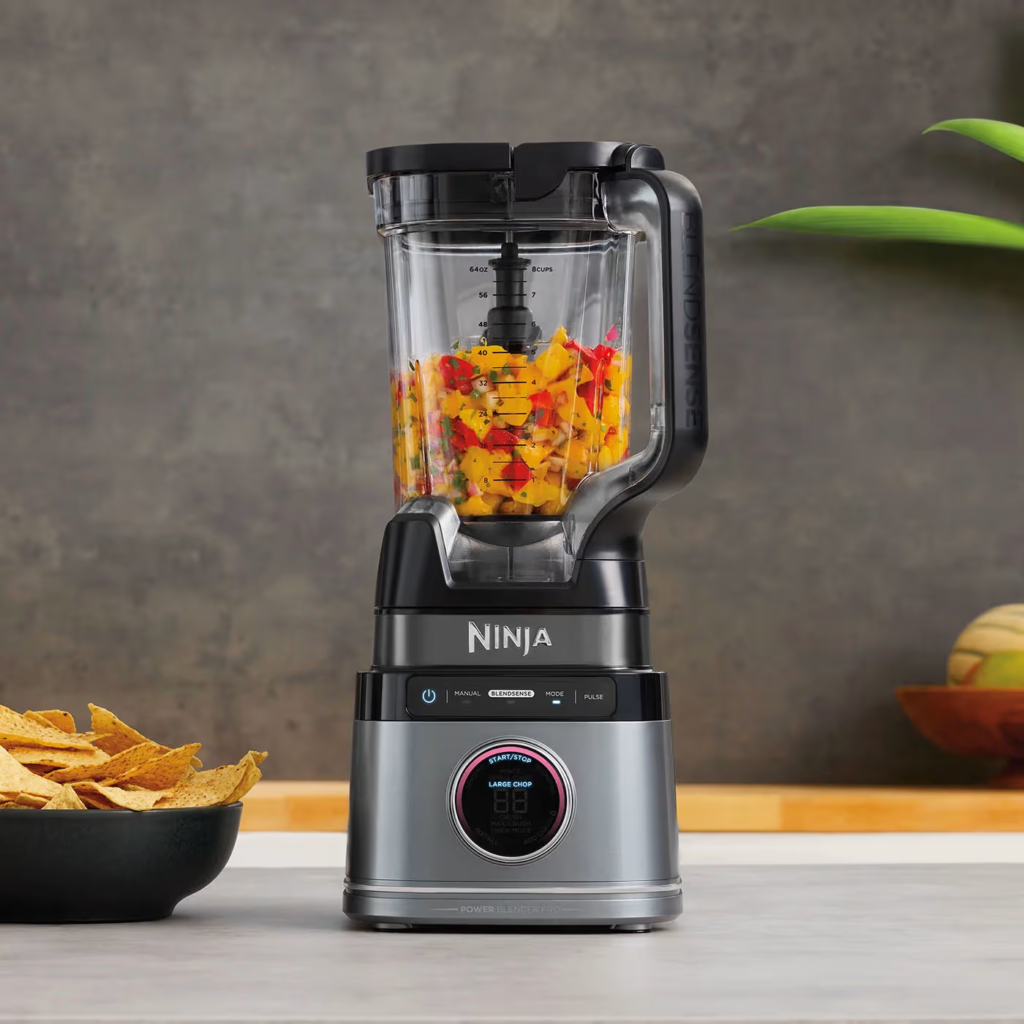
    When choosing a blender, one of the most common questions people ask is: what is the most powerful blender?

    Power plays a major role in how well a blender performs, especially when working with tough ingredients like ice, frozen fruit, or nuts. A more powerful blender can create smoother textures, blend faster, and handle a wider range of ingredients.

    However, power is not just about numbers. Understanding what makes a blender truly powerful can help you make a better decision. In this article, you will learn what power means in a blender, how it affects performance, and what to look for when choosing one.

    What Is the Most Powerful Blender?

    When choosing a blender, one of the most common questions people ask is: what is the most powerful blender?

    Power plays a major role in how well a blender performs, especially when working with tough ingredients like ice, frozen fruit, or nuts. A more powerful blender can blend faster, create smoother textures, and handle a wider range of ingredients.

    However, power is not just about numbers. Understanding what makes a blender truly powerful can help you choose the right option for your needs.


    What Does Blender Power Mean?

    When people ask what is the most powerful blender, they are usually referring to motor strength. Blender power is typically measured in watts, which indicates how much energy the motor uses.

    A higher wattage generally means the blender can handle tougher ingredients more easily. However, power is not only about the number. The design of the motor and how efficiently it transfers energy to the blades also plays an important role.

    This means that two blenders with similar wattage can still perform differently.


    Why Power Matters in a Blender

    Power affects how well a blender can process different types of ingredients. When thinking about what is the most powerful blender, it is important to consider how it performs in real use.

    A powerful blender can break down hard ingredients like ice and frozen fruit without slowing down. It can also create smoother mixtures by blending ingredients more thoroughly.

    This makes a noticeable difference in texture, especially for smoothies, soups, and other blended recipes.


    How Powerful Blenders Handle Tough Ingredients

    One of the biggest advantages of a powerful blender is its ability to handle tough ingredients. Ice, frozen fruit, and nuts require more force to break down, and weaker blenders may struggle with these tasks.

    A powerful blender maintains its speed even when the mixture becomes thick. This allows it to process ingredients more evenly and avoid leaving chunks behind.

    For people who regularly use hard or frozen ingredients, power becomes an essential factor

    .


    Power vs Speed

    When discussing what is the most powerful blender, it is also important to understand the difference between power and speed.

    Speed refers to how fast the blades rotate, while power refers to how much force the blender can apply. A blender can have high speed but still lack the strength needed for tougher ingredients.

    The best performance comes from a balance of both power and speed, allowing the blender to work efficiently in different situations.


    Real-Life Performance

    In everyday use, the difference in power becomes more noticeable. A powerful blender can produce consistent results without requiring extra effort.

    With a weaker blender, you may need to stop the machine, stir the ingredients, or add more liquid to get the desired result. This can make the process less convenient and more time-consuming.

    A powerful blender simplifies the process and delivers better results with less effort.


    Does More Power Always Mean Better?

    Although power is important, more power is not always necessary for everyone. When asking what is the most powerful blender, it is also important to consider your needs.

    If you mainly blend soft ingredients, a very powerful blender may not be required. However, if you frequently use frozen or hard ingredients, a stronger blender will provide better performance.

    Choosing the right level of power depends on how you plan to use your blender.


    Durability and Build Quality

    Powerful blenders are often designed with durability in mind. Strong motors are usually paired with sturdy components that can handle repeated use.

    This makes them more reliable over time, especially for people who use their blender frequently. A well-built blender can maintain its performance even after long-term use.

    Durability is an important factor to consider alongside power.


    Noise and Power

    One downside of powerful blenders is that they can be louder. Higher power levels often produce more noise, especially when blending hard ingredients.

    This can be noticeable in certain situations, such as early mornings or shared living spaces. Some blenders are designed to reduce noise, but power and sound levels are often connected.

    Understanding this trade-off can help you choose a blender that fits your environment.


    Cost and Value

    When thinking about what is the most powerful blender, cost is another important factor. More powerful blenders are usually more expensive due to their stronger motors and higher build quality.

    For some users, the extra cost is worth it because of the improved performance and durability. For others, a less powerful blender may be enough for their needs.

    Balancing cost and performance is key when making a decision.


    Conclusion

    So, what is the most powerful blender? The answer depends on more than just wattage. A truly powerful blender combines strong motor performance, efficient design, and the ability to handle tough ingredients with ease.

    While not everyone needs the most powerful option, having enough power can greatly improve your blending experience. By understanding how power works and what to look for, you can choose a blender that fits your needs and delivers consistent results.

  • Do You Need a High Speed Blender for Smoothies?

    Smoothies are one of the most popular reasons people buy a blender, but many still wonder: do you need a high speed blender for smoothies?

    The answer depends on what kind of smoothies you want to make and how often you plan to use your blender. While basic blenders can handle simple recipes, high speed blenders are designed to create smoother textures and handle tougher ingredients more easily.

    Understanding the difference can help you decide whether a high speed blender is necessary or if a standard model is enough. In this article, you will learn what makes a high speed blender different and when it is worth it.

    do you need a high speed blender for smoothies example with frozen fruit

    Do You Need a High Speed Blender for Smoothies?

    Smoothies are one of the most popular reasons people buy a blender, but many still wonder: do you need a high speed blender for smoothies?

    The answer depends on your needs, the ingredients you use, and how often you make smoothies. While basic blenders can handle simple recipes, high speed blenders offer more power, smoother results, and better performance overall.


    What Is a High Speed Blender?

    A high speed blender is designed with a powerful motor and strong blades that can handle tougher ingredients. These blenders can process frozen fruit, ice, and fibrous vegetables more efficiently than standard models.

    The increased power allows the blender to maintain consistent speed, even when the mixture becomes thick. This results in a smoother texture and a more reliable blending experience.


    Do You Really Need One for Smoothies?

    When asking do you need a high speed blender for smoothies, the answer depends on what kind of smoothies you make.

    If you only use soft fruits and liquids, a standard blender may be enough. However, if you prefer thick smoothies with frozen fruit, seeds, or leafy greens, a high speed blender makes a noticeable difference.

    The texture will be smoother, and the blending process will require less effort.


    How Ingredient Choice Affects Performance

    The ingredients you use play a major role in determining whether you need a high speed blender. Soft ingredients are easy to blend, while harder or frozen ingredients require more power.

    Frozen fruit, ice, and fibrous vegetables can be challenging for weaker blenders. This often leads to uneven textures or the need to stop and stir the mixture.

    A high speed blender handles these ingredients more effectively, producing consistent results.


    Texture and Smoothness

    One of the biggest differences between standard and high speed blenders is the texture of the final result.

    A standard blender may leave small chunks or a slightly grainy texture, especially when blending greens or seeds. A high speed blender breaks down ingredients more completely, resulting in a smoother and more enjoyable drink.

    For many people, this improvement alone makes a high speed blender worth it.


    Time and Convenience

    Another important factor is time. A high speed blender can blend ingredients faster and more efficiently.

    Instead of stopping the blender multiple times or adjusting the mixture, you can achieve a smooth result in one go. This makes the process more convenient, especially for daily use.

    If you make smoothies regularly, this can save a significant amount of time.


    Durability and Long-Term Use

    High speed blenders are often built with stronger materials and designed for frequent use. This makes them more durable over time.

    If you plan to use your blender every day or for tougher ingredients, a high speed blender may last longer and perform better. This can make it a better long-term investment.


    Noise Levels

    Powerful blenders tend to produce more noise, which can be a concern for some users. This is especially noticeable when blending hard ingredients like ice or frozen fruit.

    However, some models are designed to reduce noise while still providing strong performance. Choosing the right blender can help balance power and comfort.


    Cost vs Value

    One of the main concerns people have is the price. High speed blenders are generally more expensive than basic models.

    If you only make simple smoothies occasionally, a standard blender may be enough. However, if you value performance, smooth texture, and versatility, the higher cost can be justified.

    Thinking about how often you will use the blender can help you decide if it is worth the investment.


    Can a Regular Blender Be Enough?

    A regular blender can still make smoothies, especially if you use softer ingredients and enough liquid.

    However, it may require more effort, such as cutting ingredients into smaller pieces or stopping the blender to mix manually. The final result may also be less smooth compared to a high speed blender.

    For occasional use, this may not be a problem, but frequent users may notice the difference.


    Conclusion

    So, do you need a high speed blender for smoothies? The answer depends on your preferences and how you plan to use your blender.

    If you want smooth textures, faster blending, and the ability to handle tough ingredients, a high speed blender is a great choice. If your needs are simple, a standard blender may still be enough.

    Understanding your habits and expectations will help you choose the option that fits you best.