Auteur: Smart Finds

  • How to Fix a New Blender That Won’t Start (2026 Guide)

    How to fix a new blender? If your new blender is not working right out of the box, it can be frustrating. However, most issues with new blenders are not serious and are often related to setup or safety features.

    In this guide, you’ll learn how to fix a new blender, what common problems occur with new units, and what to do if it still doesn’t work.


    Why is my new blender not working?

    A new blender not working is usually not a sign of damage. Most modern blenders include safety mechanisms that prevent them from starting if everything is not set up correctly.

    In many cases, the issue is related to assembly, power connection, or built-in safety locks.


    Common problems with a new blender

    One common issue is improper assembly. If the blender jar is not correctly placed on the base, the blender may not start.

    Another reason is safety locks. Many blenders are designed to only work when all parts are securely in place.

    Power connection problems can also occur. The blender may not be plugged in properly, or the outlet may not be working.

    Sometimes, users are unfamiliar with the controls. Different models may require specific steps to start.


    How to fix a new blender step by step

    If you want to know how to fix a new blender, start with basic checks.

    First, make sure the blender is properly plugged into a working outlet. Test the outlet with another device if needed.

    Next, check the assembly. Ensure the jar, lid, and base are all correctly aligned and locked into place.

    Read the user manual carefully. Some blenders have specific instructions for first-time use.

    Try resetting the blender if possible. Unplug it, wait a few minutes, and plug it back in.

    Also, make sure you are using the correct settings or buttons to start the blender.


    When your new blender might be defective

    If you have followed all the steps and your new blender still does not work, it may be defective.

    Signs of a defective blender include no power at all, unusual noises, or failure to respond even when properly set up.

    In this case, you should not attempt to repair it yourself. It is better to return or replace the product under warranty.


    Should you replace or return your blender?

    If your new blender is not working, the best option is usually to return or exchange it. Most retailers offer easy return policies for defective products.

    If you are considering a replacement, choosing a reliable model can help you avoid similar issues.

    Look for a blender with good reviews, strong performance, and clear instructions.


    Learn more about blenders

    If you want to learn more about how a blender works, you can read more on Wikipedia.


    Conclusion

    Learning how to fix a new blender can save you time and frustration. Most problems are simple and related to setup or safety features.

    However, if your blender still does not work after checking everything, returning it is the best solution.
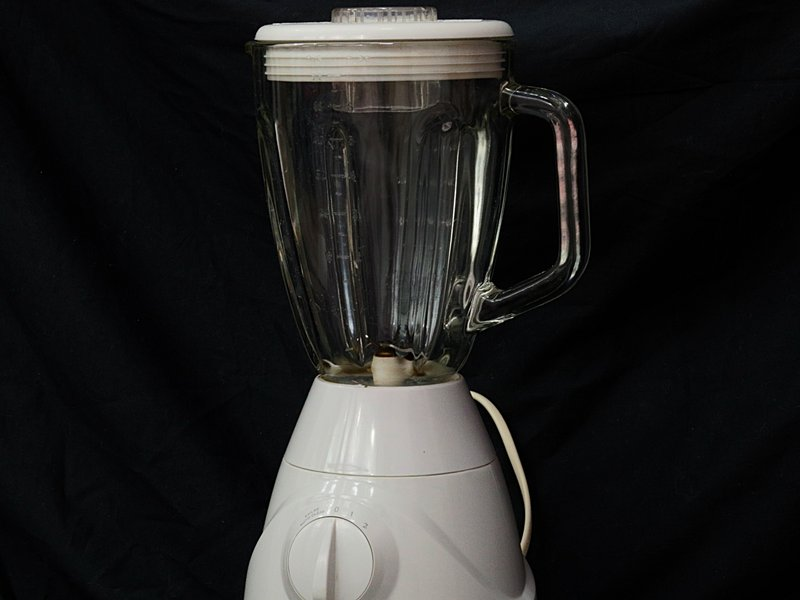
  • How to Fix a Blender Base (Easy Repair Guide 2026)

    How to fix a blender base? If your blender is not turning on or not working properly, the problem may come from the base. The base contains the motor and electrical components, so any issue there can stop the entire blender from functioning.

    In this guide, you’ll learn how to fix a blender base, what causes base problems, and when it’s better to replace your blender.


    What does the blender base do?

    The blender base is the most important part of the appliance. It houses the motor, controls, and electrical connections that power the blades.

    When the base is not working, the blender will not turn on or may behave unpredictably. Understanding how the base works helps you identify where the problem is coming from.


    Common reasons you need to fix a blender base

    One common issue is power failure. If the base is not receiving electricity, the blender will not start. This can be caused by a damaged cord or internal wiring problem.

    Another reason people need to fix a blender base is a faulty switch or control panel. Over time, buttons and switches can wear out and stop responding.

    Loose internal connections can also cause problems. If parts inside the base are not properly connected, the blender may work intermittently or not at all.

    Overheating can also damage the base components. When the motor overheats repeatedly, it can affect the internal system.


    How to fix a blender base step by step

    If you want to learn how to fix a blender base, start with simple and safe steps.

    First, unplug the blender and check the power cord. Make sure it is not damaged and properly connected.

    Next, inspect the base for visible issues. Look for loose parts or signs of damage.

    Try resetting the blender if your model has a reset function. This can solve minor electrical issues.

    Clean the base and ensure that the ventilation areas are not blocked. Proper airflow is important for preventing overheating.

    If you suspect internal damage, avoid opening the base unless you have experience, as it contains electrical components.


    When fixing the base is not worth it

    While it is useful to know how to fix a blender base, some problems are too serious to repair easily.

    If the motor inside the base is damaged, repair costs can be high. In many cases, replacing the blender is more affordable.

    If the blender shows no power at all or has a burning smell, the base may be beyond repair.

    Older blenders with repeated issues are also not worth fixing, as other components may fail soon.


    Should you replace your blender?

    If you constantly need to fix a blender base, it may be time to replace your blender. Newer models are more reliable and designed with better safety features.

    A high-quality blender will have a durable base, strong motor, and improved cooling system. Investing in a better model can prevent future problems.


    Learn more about blenders

    If you want to learn more about how a blender works, you can read more on Wikipedia.


    Conclusion

    Learning how to fix a blender base can help you solve common issues and extend the life of your appliance. Many problems are simple and can be fixed with basic checks.

    However, if the base has serious damage or keeps failing, replacing your blender is often the best long-term solution.

  • Repair Blender: Easy Fix Guide to Save Your Blender (2026)

    Repair blender problems can seem complicated at first, but many common issues are actually easy to fix at home. Whether your blender is not turning on, making noise, or not blending properly, understanding the cause is the first step to fixing it.

    In this guide, you’ll learn how to repair blender issues step by step, what causes common problems, and when it’s better to replace your blender.


    What does it mean to repair a blender?

    To repair blender issues means identifying the problem and fixing the part that is not working correctly. This can include electrical problems, mechanical issues, or simple blockages.

    In many cases, a blender does not need full repair. Small adjustments or cleaning can often solve the problem quickly.


    Common problems that require you to repair blender

    One of the most common issues is a blender that does not turn on. This can be caused by power supply problems, a damaged cord, or a faulty switch.

    Another reason people need to repair blender units is when the blades are not spinning. This may be due to jammed blades or worn internal parts.

    Strange noises can also indicate a problem. Grinding or humming sounds often mean something inside is blocked or damaged.

    Leaking is another common issue. This usually happens when seals or gaskets are worn out.


    How to repair blender step by step

    If you want to repair blender problems, start with simple checks.

    First, unplug the blender and inspect the power cord. Make sure it is not damaged and properly connected.

    Next, clean the blender thoroughly. Remove the jar and check for any stuck food or debris that could block the blades.

    Check that all parts are assembled correctly. Many blenders have safety features that prevent them from working if not properly assembled.

    If needed, inspect the base and look for worn parts. Some components, like couplings or seals, can be replaced easily.


    When you should not repair blender

    While it is useful to know how to repair blender issues, not every problem is worth fixing.

    If the motor is completely damaged, repair costs can be high. In many cases, replacing the blender is more affordable.

    Old blenders with multiple problems are also not worth repairing. Fixing one issue may not prevent future failures.

    A burning smell or complete power failure usually indicates serious damage.


    Should you replace your blender?

    If you find that you need to repair blender issues frequently, it may be time to consider replacing it.

    A new blender will offer better performance, improved safety features, and longer lifespan. Modern blenders are designed to handle tougher ingredients and reduce the risk of common problems.


    Learn more about blenders

    If you want to learn more about how a blender works, you can read more on Wikipedia.


    ✅ Conclusion

    Learning how to repair blender problems can save you time and money. Many issues are simple and can be fixed at home with basic steps.

    However, if your blender has serious damage or repeated issues, replacing it is often the best long-term solution.

  • How to Fix a Burned Out Blender Motor (Full Guide 2026)

    How to fix a burned out blender motor? If your blender suddenly stopped working and you notice a burning smell, the motor may be damaged. This is one of the most serious blender problems, and it often raises the question of whether repair is even possible.

    In this guide, you’ll learn what causes a burned out motor, how to check it, and whether it can be fixed or needs replacement.


    What causes a burned out blender motor?

    A burned out motor usually happens when the blender is pushed beyond its limits. This can occur when blending very hard ingredients, running the blender for too long, or using it without enough liquid.

    Over time, excessive heat builds up inside the motor. If the heat becomes too high, it can damage internal components and cause the motor to fail completely.

    Another common cause is poor maintenance. If the blender is not cleaned properly or airflow is blocked, heat cannot escape, increasing the risk of burnout.


    Signs your blender motor is burned out

    There are clear signs that indicate a burned out motor.

    A strong burning smell is the most obvious sign. This usually means internal parts have overheated and melted.

    If your blender does not turn on at all, even when plugged in properly, the motor may no longer be functioning.

    In some cases, the blender may have stopped suddenly during use and never worked again.

    You may also notice unusual noises before it completely fails.


    Can you fix a burned out blender motor?

    When asking how to fix a burned out blender motor, the answer depends on the severity of the damage.

    In most cases, a fully burned out motor cannot be repaired easily. The internal components are usually damaged beyond simple fixes.

    Some minor issues, like loose connections or overheating protection, can be resolved. However, true motor burnout often requires replacing the motor itself.

    Replacing a motor can be complicated and expensive, especially for low-cost blenders.


    When repair is not worth it

    If your motor is completely burned out, repairing it is often not worth the effort or cost.

    The price of a new motor, combined with labor or time, can be similar to buying a new blender.

    Older blenders are especially not worth repairing, as other parts may fail soon after.

    If you notice repeated overheating or previous issues, it’s usually a sign that the blender has reached the end of its lifespan.


    Should you replace your blender?

    If you’re dealing with a burned out motor, replacing your blender is usually the best option. Newer models are more efficient and designed to handle heavier use.

    A good blender should have a powerful motor, proper cooling, and durable components. Investing in a better model can prevent future motor problems.


    Learn more about blenders

    If you want to learn more about how a blender works, you can read more on Wikipedia.


    ✅ Conclusion

    Learning how to fix a burned out blender motor can help you understand the problem, but in most cases, a full motor burnout cannot be repaired.

    If your blender has stopped working completely and shows signs of serious damage, replacing it is often the most practical and cost-effective solution.

  • How to Fix a Blender Motor (Step-by-Step Guide 2026)

    How to fix a blender motor? If your blender suddenly stops working or loses power, the motor is often the main cause. While this might sound serious, some motor issues can actually be fixed at home with basic troubleshooting.

    In this guide, you’ll learn how to fix a blender motor step by step, what causes motor problems, and when it’s better to replace your blender.


    What causes blender motor problems?

    Before you try to fix anything, it’s important to understand why the motor is not working properly.

    A common reason is overheating. When a blender is used for too long or with heavy ingredients, the motor can overheat and shut down.

    Another cause is wear and tear. Over time, internal components of the motor can wear out, especially in frequently used blenders.

    Electrical issues can also affect the motor. Problems with wiring, switches, or the power cord can prevent the motor from functioning.

    In some cases, the motor may be blocked by internal debris or damaged parts.


    Signs your blender motor is not working properly

    There are several signs that indicate motor problems.

    If your blender makes a humming noise but doesn’t spin, the motor may be running but not transferring power correctly.

    If there is no sound at all, the motor might not be receiving power.

    A burning smell is a strong sign of motor damage and should not be ignored.

    Loss of power or inconsistent performance can also indicate that the motor is weakening.


    How to fix a blender motor

    If you want to learn how to fix a blender motor, start with simple steps before considering complex repairs.

    First, unplug the blender and let it cool down completely. Overheating is one of the most common causes of motor issues.

    Next, check the power source and cord. Make sure the blender is properly connected and the cord is not damaged.

    Clean the blender thoroughly. Remove the jar and ensure that no debris is blocking the blades or internal components.

    You can also try resetting the blender if your model allows it.

    If you feel comfortable, you can inspect the base for loose parts. However, avoid opening the motor housing unless you have experience, as this can be dangerous.


    When fixing the motor is not worth it

    While learning how to fix a blender motor can save money, not all motors can be repaired easily.

    If the motor is burned out, the cost of repair may be high. In many cases, replacing the motor is almost as expensive as buying a new blender.

    Repeated issues, loud noises, or strong burning smells usually indicate that the motor is beyond repair.

    Older blenders are also more likely to have permanent motor damage.


    Should you replace your blender?

    If your motor cannot be fixed, replacing your blender is often the better option. Newer models are more efficient, safer, and built to handle heavy use.

    A good blender should have a powerful motor, durable components, and proper cooling features. Investing in a reliable model can prevent future motor problems.


    Learn more about blenders

    If you want to learn more about how a blender works, you can read more on Wikipedia.


    Conclusion

    Knowing how to fix a blender motor can help you solve common problems and extend the life of your appliance. Many issues, such as overheating or blockages, can be fixed at home.

    However, if the motor is seriously damaged, replacing your blender is often the most practical and cost-effective solution.

  • Blender Overheated Stopped Working? (Easy Fix Guide 2026)

    Blender overheated stopped working? This is a common issue, especially if you use your blender frequently or blend thick ingredients. Many modern blenders are designed to shut down automatically when the motor gets too hot.

    In most cases, when a blender overheated stopped working, it doesn’t mean it’s broken. It’s usually a safety feature to protect the motor from damage.


    Why does a blender overheat?

    A blender overheated stopped working situation happens when the motor is under too much stress. This can occur when blending hard ingredients, running the blender for too long, or using it without enough liquid.

    When the temperature rises too high, the blender shuts off automatically. This prevents permanent motor damage.


    Common reasons your blender overheated stopped working

    One of the main causes is overloading. Putting too many ingredients in the blender forces the motor to work harder than it should.

    Another common reason a blender overheated stopped working is continuous use. Running the blender for too long without breaks builds up heat quickly.

    Lack of liquid is also a major factor. Without enough liquid, the blades struggle to move, increasing pressure on the motor.

    Blocked air vents can also lead to overheating. If heat cannot escape, the motor temperature rises faster.


    How to fix a blender that overheated and stopped working

    If your blender overheated stopped working, start by unplugging it and letting it cool down completely. Wait at least 20 to 30 minutes before using it again.

    After that, check for any blockages and clean the blades thoroughly. Make sure nothing is stuck that could prevent movement.

    Try using smaller portions and adding more liquid. This reduces the load on the motor and prevents overheating.

    Also, ensure the blender has enough space around it for proper airflow.


    When your blender overheated stopped working too often

    If your blender overheated stopped working repeatedly, it may be a sign of a bigger problem.

    Frequent overheating can damage the motor permanently. If this happens even with light use, your blender may be wearing out.

    A burning smell or unusual noise are clear warning signs. In many cases, repairing the motor is not worth the cost.


    Should you replace your blender?

    If your blender overheated stopped working again and again, replacing it is often the best solution. A newer blender will be more powerful and have better cooling features.


    Learn more about blenders


    ✅ Conclusion

    A blender overheated stopped working problem is usually caused by overuse, lack of liquid, or blocked airflow. In many cases, letting it cool down and adjusting how you use it will solve the issue.

    However, if the problem keeps happening, upgrading to a better blender is often the smartest choice.

  • Why Is My Blender Not Working? (Quick Fix Guide 2026)

    Why is my blender not working? If your blender suddenly stops working, it can be frustrating, especially when you rely on it daily. The good news is that many blender issues are easy to identify and fix without needing professional repair.

    In this guide, you’ll learn the most common reasons why your blender is not working, how to fix it step by step, and when it’s time to replace it.


    🔍 What causes a blender to stop working?

    When a blender stops working, it usually means there is a problem with the power supply, internal components, or motor. In some cases, the issue is simple and can be fixed in minutes. In other cases, it may indicate that the blender has reached the end of its lifespan.

    Understanding the cause will help you decide whether to fix or replace your blender.


    ⚠️ Common reasons your blender is not working

    One of the most common reasons is a power issue. The blender may not be plugged in properly, or the outlet may not be working. Sometimes, the power cord can also be damaged.

    Another reason is overheating. If the blender has been used for a long time or with heavy ingredients, it may shut down automatically to protect the motor.

    A faulty switch or control panel can also prevent the blender from turning on. Over time, these parts can wear out and stop responding.

    In some cases, the motor itself may be damaged. If you hear no sound at all when turning it on, the motor may no longer be functioning.


    🔧 How to fix a blender that is not working

    Start by checking the power source. Make sure the blender is properly plugged in and test the outlet with another device.

    Next, let the blender cool down if it was recently used. Wait at least 15–20 minutes before trying again.

    Check the power cord for any visible damage. If the cord is broken or loose, the blender will not receive power.

    You should also inspect the jar and base connection. If the blender is not assembled correctly, it may not start due to safety features.

    Finally, try resetting the blender if your model supports it.


    🚫 When your blender is beyond repair

    If your blender is still not working after trying these steps, the issue may be serious.

    Signs that your blender cannot be fixed include no power at all, a burning smell, or repeated failures. If the motor is completely dead, repairing it is often expensive and not worth it.

    In many cases, replacing a blender is more cost-effective than repairing it.


    🛒 Should you replace your blender?

    If your blender is old or keeps having problems, replacing it is usually the best option. A newer model will be more efficient, powerful, and reliable.

    If you’re looking for an affordable upgrade, check out the Best Blender Under $100 2026 – Top 5 Affordable Picks on Amazon for great budget options.

    You can also explore the Best Blender Cups 2026 – Top Replacement & Portable Cups on Amazon if the issue is related to the container or blade system.


    ✅ Conclusion

    So, why is my blender not working? The problem can be caused by power issues, overheating, worn parts, or a damaged motor.

    Start with simple checks like power and assembly. But if your blender still doesn’t work, replacing it is often the smartest and easiest solution.

  • Why is my blender not spinning but humming?

    Why is my blender not spinning but humming? If your blender makes a humming noise but the blades don’t move, it usually means the motor is working but something is blocking the movement. This is a very common problem and, in many cases, you can fix it without replacing your blender.

    In this guide, you’ll learn why your blender is not spinning but humming, how to fix it step by step, and when it’s better to replace it.

    why is my blender not spinning but humming

    🔍 What causes a blender to hum but not spin?

    When your blender hums but doesn’t spin, the motor is receiving power. However, the movement is not reaching the blades. This usually happens because something is stuck, worn out, or damaged inside the blender.

    In simple terms, your blender is trying to work, but something is preventing it from doing so.


    ⚠️ Common reasons your blender is not spinning

    One of the most common reasons is jammed blades. Food, ice, or thick mixtures can get stuck and block the blades from spinning while the motor keeps running.

    Another common issue is a worn drive coupling. This is the part that connects the motor to the blades. Over time, it can wear out, causing the motor to run without turning the blades.

    Overheating can also cause this problem. Many blenders have a safety feature that stops the blades when the motor gets too hot. You may still hear a humming sound, but the blender won’t work properly until it cools down.

    Finally, the motor itself may be weak or damaged. If the blender is old or used frequently, the motor might not have enough power to spin the blades anymore.


    🔧 How to fix a blender that is humming but not spinning

    Start by unplugging your blender and letting it rest for about 10 to 15 minutes. This allows the motor to cool down and resets any internal safety features.

    Next, check the blades carefully. Remove the blender jar and clean out any food or debris. Try turning the blades manually while the blender is unplugged. They should move freely.

    After that, inspect the base of the blender. Look at the part where the jar connects. If it looks worn or damaged, it may need to be replaced.

    Also, make sure you are not overloading your blender. Blending too many ingredients or very thick mixtures can put too much pressure on the motor. Try adding more liquid and blending smaller portions.


    🚫 When your blender is beyond repair

    If your blender is still not spinning but humming after trying all these steps, the motor is likely damaged.

    There are clear signs that your blender cannot be fixed. A burning smell is a strong indicator of motor failure. Loud or unusual noises can also mean serious internal damage. If your blender stops working repeatedly, it’s usually at the end of its lifespan.

    In many cases, repairing a blender can cost almost as much as buying a new one, especially for cheaper models.


    🛒 Should you replace your blender?

    If your blender keeps having problems, replacing it is often the better option. A new blender will be more powerful, more reliable, and safer to use.

    Look for a blender with a strong motor, durable blades, and good cooling features. Reading customer reviews can also help you choose a better model that lasts longer.

    Investing in a good blender can save you money in the long run and prevent the same issue from happening again.


    ✅ Conclusion

    So, why is my blender not spinning but humming? In most cases, it’s caused by blocked blades, worn parts, overheating, or a failing motor.

    Start with simple fixes like cleaning and resetting your blender. But if the problem continues, replacing your blender is often the smartest choice.