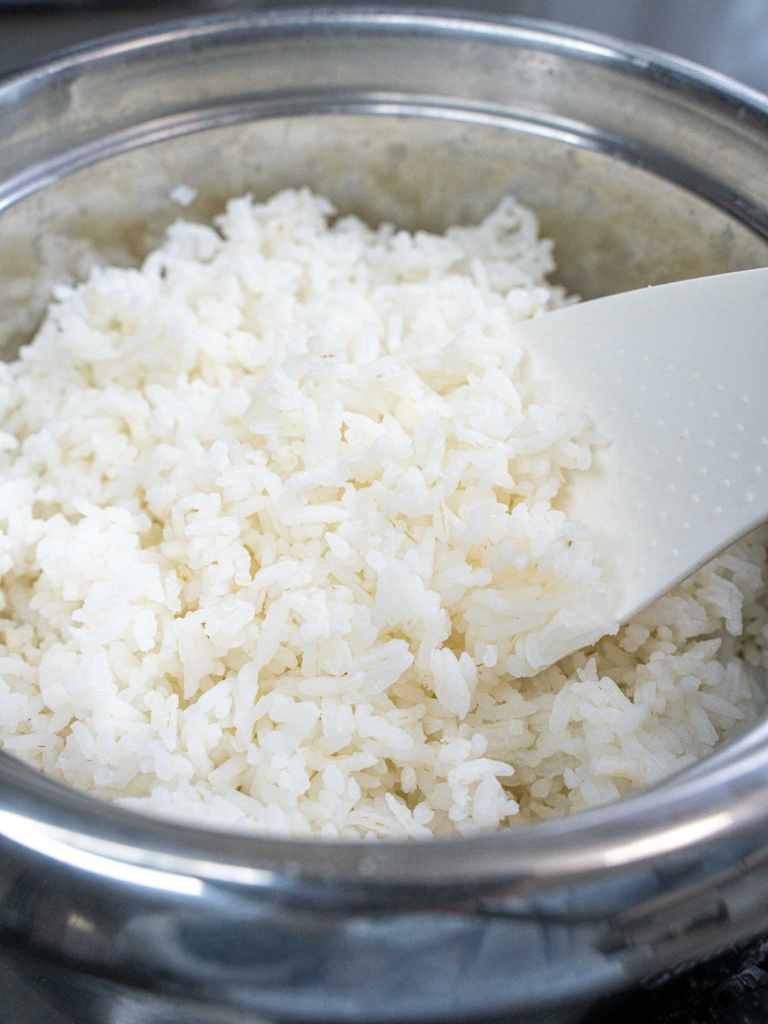
Brown rice is a healthy and nutritious option, but it can be a bit more difficult to cook than white rice. If you’re wondering how to cook brown rice in a rice cooker, the process is simple once you understand the right method.
In this guide, you’ll learn how to cook brown rice in a rice cooker step by step and get perfect results every time. You can also check our recommended models if you’re looking to buy the best rice cooker for your needs.
We are an affiliate partner, which means we may earn a small commission if you purchase through our links at no extra cost to you.
Brown Rice Water Ratio
To properly understand how to cook brown rice in a rice cooker, you need to use the correct water ratio.
Brown rice requires more water than white rice because it has a tougher outer layer. The typical ratio is 1 cup of brown rice to 2 cups of water.
Using the right ratio is essential for soft and evenly cooked rice.
Step-by-Step Cooking Instructions
To master how to cook brown rice in a rice cooker, follow these simple steps.
First, measure the amount of brown rice you want to cook. Then rinse it under cold water to remove excess starch.
Next, add the rice and water to the inner pot using the correct ratio. Close the lid and start the rice cooker.
If your rice cooker has a “brown rice” setting, use it for best results. Otherwise, the normal cooking mode will still work.
Once the cooking is finished, let the rice rest for a few minutes before serving.
Why Brown Rice Takes Longer to Cook
When learning how to cook brown rice in a rice cooker, it’s important to know why it takes more time.
Brown rice has a bran layer that makes it harder than white rice. This means it needs more water and a longer cooking time to become soft.
Patience is key when cooking brown rice.
Tips for Perfect Brown Rice
To get the best results when learning how to cook brown rice in a rice cooker, follow these tips.
Always use the correct water ratio. Let the rice rest after cooking to improve texture. Avoid opening the lid during cooking.
These simple steps will help you achieve better results.
Common Mistakes to Avoid
Some common mistakes can affect how your brown rice turns out.
Using too little water can leave the rice hard. Not cooking it long enough can also result in uneven texture.
Avoiding these mistakes will help you cook better brown rice.
Now you know exactly how to cook brown rice in a rice cooker. By using the right water ratio and following simple steps, you can enjoy healthy and perfectly cooked rice every time.
Brown rice may take a bit longer, but the results are worth it.
Using a rice cooker is simple, but many people still make small errors that affect the final result. If you want perfect rice every time, it’s important to understand the most common rice cooker mistakes and how to avoid them.
In this guide, you’ll learn the common rice cooker mistakes that beginners often make and how to fix them. You can also check our recommended models if you’re looking to buy the best rice cooker for your needs.
We are an affiliate partner, which means we may earn a small commission if you purchase through our links at no extra cost to you.
Using Too Much or Too Little Water
One of the most common rice cooker mistakes is using the wrong amount of water.
Too much water can make your rice mushy, while too little water can leave it dry or undercooked. Getting the correct ratio is essential for good results.
Not Rinsing the Rice
Another common rice cooker mistake is skipping the rinsing step.
Rinsing rice removes excess starch, which helps improve texture and prevents the rice from becoming too sticky.
Opening the Lid Too Often
Many people open the lid during cooking to check the rice. This is one of the common rice cooker mistakes that can affect the cooking process.
Opening the lid releases steam and heat, which can lead to uneven cooking.
Overfilling the Rice Cooker
Overfilling the rice cooker is another mistake to avoid.
Adding too much rice or water can cause the cooker to overflow or cook unevenly. Always follow the recommended capacity.
Not Letting the Rice Rest
After cooking, many people serve the rice immediately. This is one of the common rice cooker mistakes that affects texture.
Letting the rice rest for a few minutes allows the moisture to settle and improves the final result.
Ignoring the Instructions
Every rice cooker is slightly different. Ignoring the manufacturer’s instructions is a common mistake that can lead to poor results.
Taking a few minutes to read the manual can make a big difference.
Conclusion
Avoiding these common rice cooker mistakes can help you get better results every time you cook.
By using the correct water ratio, rinsing your rice, and following simple steps, you can enjoy perfectly cooked rice with minimal effort.
Keeping your rice cooker clean is essential for maintaining good performance and hygiene. If you’re wondering how to clean a rice cooker, the process is simple and only takes a few minutes.
In this guide, you’ll learn how to clean a rice cooker step by step and how to keep it in good condition over time. You can also check our recommended models if you’re looking to buy the best rice cooker for your needs.
We are an affiliate partner, which means we may earn a small commission if you purchase through our links at no extra cost to you.
Why Cleaning Your Rice Cooker Is Important
Understanding how to clean a rice cooker is important for several reasons.
Regular cleaning prevents leftover rice and residue from building up inside the cooker. It also helps maintain the taste and quality of your rice.
A clean rice cooker will last longer and perform better over time.
How to Clean a Rice Cooker Step by Step
To properly learn how to clean a rice cooker, follow these simple steps.
First, unplug the rice cooker and allow it to cool completely. Never clean it while it is still hot.
Next, remove the inner pot and wash it with warm water and a soft sponge. Avoid using abrasive materials that could damage the non-stick coating.
Then, clean the lid carefully. If the lid is removable, wash it with water and mild soap. If not, wipe it gently with a damp cloth.
Finally, wipe the exterior of the rice cooker with a dry or slightly damp cloth to remove dust or stains.
If you use your rice cooker regularly, it’s best to clean it after every use.
This prevents buildup and keeps your cooker in good condition. Even if you don’t use it often, make sure to clean it before and after storage.
Regular maintenance is key when learning how to clean a rice cooker properly.
Common Cleaning Mistakes to Avoid
When learning how to clean a rice cooker, avoid these common mistakes.
Do not use metal scrubbers, as they can damage the inner pot. Avoid submerging the main unit in water, as this can damage the electrical components.
Also, never use harsh chemicals that could affect the safety of your food.
Tips to Keep Your Rice Cooker in Good Condition
To make cleaning easier, try to clean your rice cooker immediately after use.
Avoid letting rice dry and stick to the pot, as this makes it harder to clean. Store your rice cooker in a dry place to prevent damage.
Taking care of your appliance will help it last longer and perform better.
Conclusion
Now you know exactly how to clean a rice cooker and keep it in great condition. Regular cleaning not only improves performance but also ensures better-tasting rice.
If you want a reliable and easy-to-maintain appliance, choosing the right rice cooker can make a big difference.
If you’re choosing between two popular kitchen appliances, you might be wondering about rice cooker vs Instant Pot and which one is better for your needs. Both are useful, but they serve slightly different purposes.
In this guide, we’ll compare rice cooker vs Instant Pot, explain their differences, and help you decide which one is right for your kitchen. You can also check our recommended models if you’re looking to buy the best rice cooker for your needs.
We are an affiliate partner, which means we may earn a small commission if you purchase through our links — at no extra cost to you.
What Is a Rice Cooker
To understand rice cooker vs Instant Pot, it’s important to know what a rice cooker does.
A rice cooker is designed specifically to cook rice. It uses a simple system of heat and water to produce perfectly cooked rice every time. Most models are easy to use and require minimal effort.
Some rice cookers also have basic extra functions, but their main purpose is cooking rice.
What Is an Instant Pot
An Instant Pot is a multi-functional electric pressure cooker. It can cook rice, but also soups, stews, meat, and many other dishes.
It uses pressure cooking technology, which allows food to cook faster than traditional methods. This makes it more versatile than a standard rice cooker.
Key Differences Between Rice Cooker and Instant Pot
When comparing rice cooker vs Instant Pot, the main difference is simplicity versus versatility.
A rice cooker is very simple and focused. You add rice and water, press a button, and it does the rest. It’s ideal for beginners and daily use.
An Instant Pot, on the other hand, offers many cooking functions. However, it can be more complex to use and may require some learning.
Which One Is Better for You
Choosing between rice cooker vs Instant Pot depends on your needs.
If you mainly cook rice and want something easy and reliable, a rice cooker is the better choice. It’s quick, simple, and consistent.
If you want one appliance that can do many different types of cooking, an Instant Pot may be more suitable.
If you’re thinking about buying one, you might be asking yourself, is a rice cooker worth it? For many people, the answer is yes. A rice cooker is designed to make cooking rice easier, faster, and more consistent.
In this article, you’ll learn whether a rice cooker is worth it, what the benefits are, and if it’s the right choice for your kitchen. You can also check our recommended models if you’re looking to buy the best rice cooker for your needs.
We are an affiliate partner, which means we may earn a small commission if you purchase through our links — at no extra cost to you.
What Does a Rice Cooker Do
To understand is a rice cooker worth it, it’s important to know what it actually does.
A rice cooker automatically cooks rice by controlling temperature and timing. You simply add rice and water, press a button, and the cooker handles the rest. It switches to keep-warm mode when the rice is done.
This removes the need to monitor the cooking process.
Benefits of Using a Rice Cooker
There are several reasons why people consider a rice cooker worth it.
First, it saves time because you don’t have to watch the rice while it cooks. Second, it delivers consistent results, meaning your rice comes out perfect every time.
Another benefit is convenience. You don’t need cooking experience to use a rice cooker successfully.
Many models also allow you to cook other foods, making it a versatile kitchen appliance.
Are There Any Downsides
Although many people believe a rice cooker is worth it, there are a few downsides to consider.
It takes up space in your kitchen, which may be an issue if you have limited room. It’s also an extra appliance, which some people may not need if they already cook rice on the stove.
However, for regular rice eaters, these downsides are usually minor compared to the benefits.
Who Should Buy a Rice Cooker
If you eat rice often, then a rice cooker is definitely worth it. It’s especially useful for busy people, families, and beginners who want reliable results.
It’s also a great option for students or anyone who wants a simple cooking solution.
If you rarely cook rice, you might not need one.
Is It Better Than Cooking Rice on the Stove
Many people wonder if a rice cooker is better than traditional cooking methods.
In most cases, a rice cooker is easier and more reliable. It reduces the chances of burning or undercooking rice and doesn’t require constant attention.
While cooking on the stove can work, it requires more precision and monitoring.
Conclusion
So, is a rice cooker worth it? For most people, the answer is yes. It simplifies cooking, saves time, and delivers consistent results.
If you want an easy and stress-free way to cook rice, a rice cooker is a smart investment for your kitchen.
If you’re ready to upgrade your cooking experience, check out our recommended rice cookers to find the best model for your needs.
Getting the right water ratio is the key to perfect rice. If you’re wondering how much water for rice cooker you should use, the answer depends on the type of rice you are cooking.
In this guide, you’ll learn how much water for rice cooker is needed for different rice types and how to get perfect results every time. You can also check our recommended models if you’re looking to buy the best rice cooker for your needs.
We are an affiliate partner, which means we may earn a small commission if you purchase through our links — at no extra cost to you.
How Much Water for Rice Cooker (Basic Ratio)
The general rule for how much water for rice cooker is simple and easy to follow.
For white rice, the standard ratio is 1 cup of rice to 1.5 cups of water. This works well for most types of white rice and gives soft, fluffy results.
For brown rice, more water is needed because it takes longer to cook. The usual ratio is 1 cup of rice to 2 cups of water.
Using the correct ratio is essential if you want consistent and well-cooked rice.
Water Ratio for Different Types of Rice
Understanding how much water for rice cooker also depends on the type of rice you are using.
Jasmine rice usually needs slightly less water for a lighter texture. Basmati rice also benefits from using a bit less water to keep the grains separate.
Short-grain rice, such as sushi rice, often needs a little more water to achieve a stickier texture.
Adjusting the water slightly based on the rice type can improve your results.
What Happens If You Use Too Much or Too Little Water
Using too much water can make your rice mushy and overly soft. This is one of the most common mistakes when learning how much water for rice cooker.
On the other hand, using too little water can leave your rice undercooked or dry.
Finding the right balance is key to getting perfect rice every time.
Tips for Perfect Rice Every Time
To master how much water for rice cooker, there are a few simple tips you should follow.
Always measure your rice and water accurately instead of guessing. Rinse your rice before cooking to remove excess starch and improve texture.
After cooking, let the rice rest for a few minutes before serving. This allows the moisture to distribute evenly.
These small steps can make a big difference in your final result.
Is the Rice Cooker Measuring Line Accurate?
Many rice cookers come with measuring lines inside the inner pot. These can be useful, but they are not always perfect for every type of rice.
For best results, it’s often better to use a measuring cup and follow standard ratios.
This gives you more control over the cooking process.
Conclusion
So, how much water for rice cooker should you use? It depends on the type of rice, but the basic ratios are simple and reliable.
By using the correct amount of water and making small adjustments when needed, you can achieve perfect rice every time without any guesswork.
If you’re ready to upgrade your kitchen, check out our recommended rice cookers to find the best model for your needs.
Cooking rice doesn’t have to be difficult. If you’re wondering how to cook rice in a rice cooker, the process is simple and beginner-friendly. With the right steps, you can get perfectly cooked rice every time without stress.
In this guide, you’ll learn how to cook rice in a rice cooker step by step and avoid common mistakes. You can also check our recommended models if you’re looking to buy the best rice cooker for your needs.
We are an affiliate partner, which means we may earn a small commission if you purchase through our links — at no extra cost to you.
How to Cook Rice in a Rice Cooker Step by Step
To understand how to cook rice in a rice cooker, follow these simple steps.
First, measure the amount of rice you want to cook using a measuring cup. Then, rinse the rice under cold water to remove excess starch. This helps make the rice less sticky.
Next, add the rice to the inner pot and pour in the correct amount of water. The typical ratio is 1 cup of rice to 1.5 cups of water for white rice.
After that, place the pot inside the rice cooker, close the lid, and press the start button. The rice cooker will handle everything automatically.
Once the cooking cycle is complete, let the rice sit for a few minutes before opening the lid. This helps improve texture.
Rice to Water Ratio in a Rice Cooker
A key part of how to cook rice in a rice cooker is using the right water ratio.
For white rice, the standard ratio is 1:1.5. For brown rice, you’ll need more water, usually around 1:2.
Using too much water can make your rice mushy, while too little water can leave it undercooked.
Tips for Perfect Rice Every Time
If you want to master how to cook rice in a rice cooker, keep these tips in mind.
Always rinse your rice before cooking to remove excess starch. Let the rice rest after cooking for better texture. Avoid opening the lid during cooking, as this releases steam and affects the result.
Using the correct ratio and following the steps carefully will give you consistent results.
Common Mistakes to Avoid
Many beginners make small mistakes when learning how to cook rice in a rice cooker.
Adding too much water is one of the most common issues. Not rinsing the rice can also affect texture. Opening the lid too early can interrupt the cooking process.
Avoiding these mistakes will help you get perfect rice every time.
Is Cooking Rice in a Rice Cooker Better?
Yes, using a rice cooker is one of the easiest and most reliable ways to cook rice. It removes guesswork and ensures consistent results.
If you cook rice often, investing in a good rice cooker can save you time and effort.
Conclusion
Now you know exactly how to cook rice in a rice cooker step by step. By following the right method and using the correct water ratio, you can enjoy perfect rice every time.
If you’re ready to upgrade your kitchen, check out our recommended rice cookers to find the best model for your needs.
A rice cooker is one of the easiest kitchen appliances you can use. If you’ve ever wondered how does a rice cooker work, the answer is simple: it uses heat and water to cook rice perfectly without any effort.
In this article, you’ll learn exactly how a rice cooker works and how you can use one to get perfect results every time. You can also check our recommended models if you’re looking to buy the best rice cooker for your needs.
We are an affiliate partner, which means we may earn a small commission if you purchase through our links — at no extra cost to you.
How Does a Rice Cooker Work?
A rice cooker is one of the easiest kitchen appliances you can use. If you’ve ever wondered how does a rice cooker work, the answer is simple: it uses heat and water to cook rice perfectly without any effort.
In this article, you’ll learn exactly how a rice cooker works and how you can use one to get perfect results every time. You can also check our recommended models if you’re looking to buy the best rice cooker for your needs.
We are an affiliate partner, which means we may earn a small commission if you purchase through our links — at no extra cost to you.
How Does a Rice Cooker Work Step by Step
A rice cooker works by combining rice and water inside an inner pot. When you turn the rice cooker on, the heating plate starts to heat the water until it begins to boil. As the water heats up, the rice gradually absorbs it.
During the cooking process, the temperature inside the cooker remains steady while there is still water in the pot. Once the rice has absorbed all the water, the temperature begins to rise slightly. This change is detected by the rice cooker, which then automatically stops the cooking process.
After that, the rice cooker switches to “keep warm” mode, ensuring your rice stays hot and ready to eat without overcooking.
Why Rice Cookers Don’t Burn Rice
One of the main reasons people ask how does a rice cooker work is because they are surprised that rice never burns. This is possible because of a built-in thermostat inside the cooker.
The thermostat constantly monitors the temperature. As long as there is water in the pot, the temperature cannot go above boiling point. Once the water is fully absorbed, the temperature rises, and the rice cooker immediately switches off or goes into warming mode.
This automatic system prevents burning and ensures consistent results every time.
Main Parts of a Rice Cooker
To fully understand how does a rice cooker work, it helps to know the main components that make everything function smoothly.
The inner pot is where you place the rice and water. It is usually non-stick to prevent rice from sticking or burning.
The heating plate sits under the inner pot and is responsible for generating heat.
The thermostat is the smart component that detects temperature changes and controls when the cooking stops.
The lid helps trap steam inside the cooker, allowing the rice to cook evenly and efficiently.
Each of these parts works together to make the cooking process automatic and reliable.
Benefits of Using a Rice Cooker
Now that you understand how does a rice cooker work, it’s clear why so many people use one daily.
A rice cooker saves time because you don’t have to monitor the cooking process. It also delivers consistent results, meaning your rice comes out perfectly every time.
Another advantage is convenience. You simply add rice and water, press a button, and let the machine do the rest.
For busy households or anyone who cooks rice often, a rice cooker is a valuable addition to the kitchen.
Is It Worth Buying a Rice Cooker?
If you cook rice regularly, investing in a rice cooker is definitely worth it. It simplifies the cooking process and eliminates common mistakes like overcooking or burning rice.
There are many models available, from basic versions to advanced cookers with multiple cooking modes. Choosing the right one depends on your needs and budget.
If you’re looking for the best options available, make sure to check our guide on the best rice cookers where we review top-rated models.
So, how does a rice cooker work? It uses a simple but effective system of heat and water to cook rice automatically. With the help of a thermostat and smart design, it ensures perfect results without constant attention.
If you want an easy and reliable way to cook rice, a rice cooker is one of the best kitchen appliances you can own.
If you’re ready to upgrade your kitchen, check out our recommended rice cookers to find the perfect model for you.
The best large rice cooker is perfect for families, meal prep, and cooking big portions with ease. Choosing the best large rice cooker ensures consistent results, enough capacity, and convenient features for everyday cooking.
In this guide, we’ve selected the best large rice cooker options in 2026. Whether you need a rice cooker for a big family or batch cooking, these models offer excellent performance and capacity.
This article contains affiliate links. As an Amazon Associate, I earn from qualifying purchases at no extra cost to you.
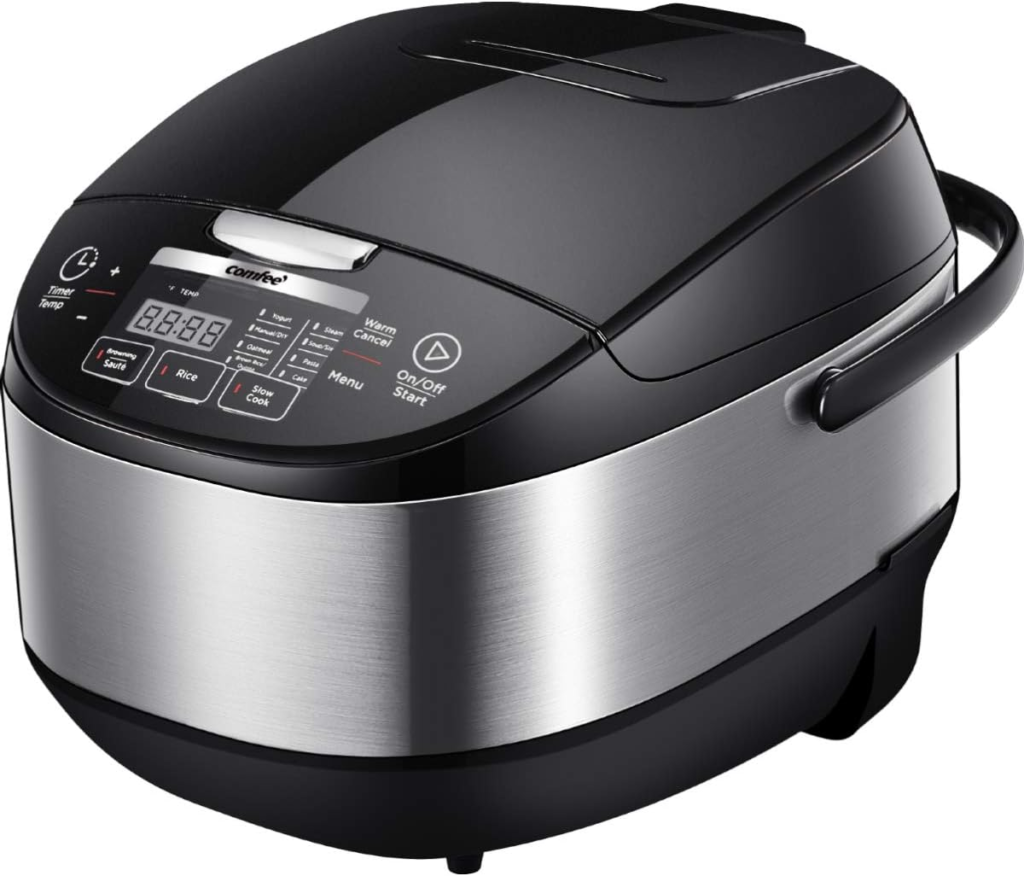
COMFEE’ 10-Cup Rice Cooker – Best Overall Large Rice Cooker
This is one of the best large rice cooker options for families and meal prep. The COMFEE’ rice cooker features a 10-cup uncooked capacity and advanced fuzzy logic technology, ensuring consistent and perfectly cooked rice every time.
Key Features: Capacity: 10 cups uncooked / up to 20 cups cooked Cooking functions: 11 presets including white rice, brown rice, steam, and more Material: Nonstick inner pot Keep warm function: Automatic keep warm Extra features: Smart 6-step cooking process for optimal results
Pros: Large capacity for families Fuzzy logic for consistent cooking Multiple cooking programs Great all-in-one functionality
Cons: Takes more space in kitchen Longer cooking time than basic models
Best for: Families, meal prep, and large portions
Why choose this product: A powerful and versatile large rice cooker that offers excellent performance, smart features, and enough capacity for big households.
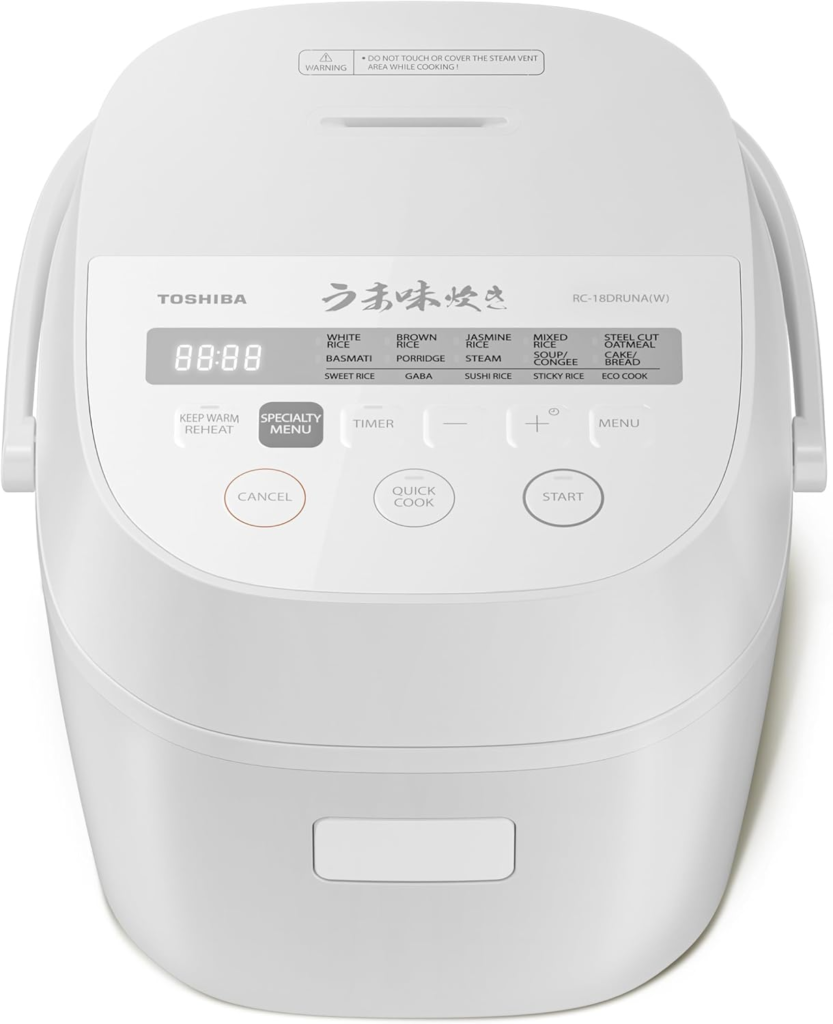
TOSHIBA OriginTaste 10-Cup Rice Cooker – Best Smart Large Rice Cooker
This is one of the best large rice cooker options for users who want advanced features and reliable performance. The TOSHIBA OriginTaste rice cooker uses fuzzy logic technology to automatically adjust cooking time and temperature, ensuring perfectly cooked rice every time.
Key Features: Capacity: 10 cups uncooked / up to 20 cups cooked Cooking functions: 15 cooking programs including white rice, brown rice, and more Material: Nonstick inner pot Keep warm function: Automatic keep warm Extra features: Digital display and delay timer
Pros: Large capacity for families Advanced fuzzy logic for precise cooking Multiple cooking programs User-friendly digital controls
Cons: Takes more space in kitchen Higher price than basic models
Best for: Families and users who want a smart large rice cooker
Why choose this product: A powerful and feature-rich rice cooker that delivers consistent results and handles large portions with ease.
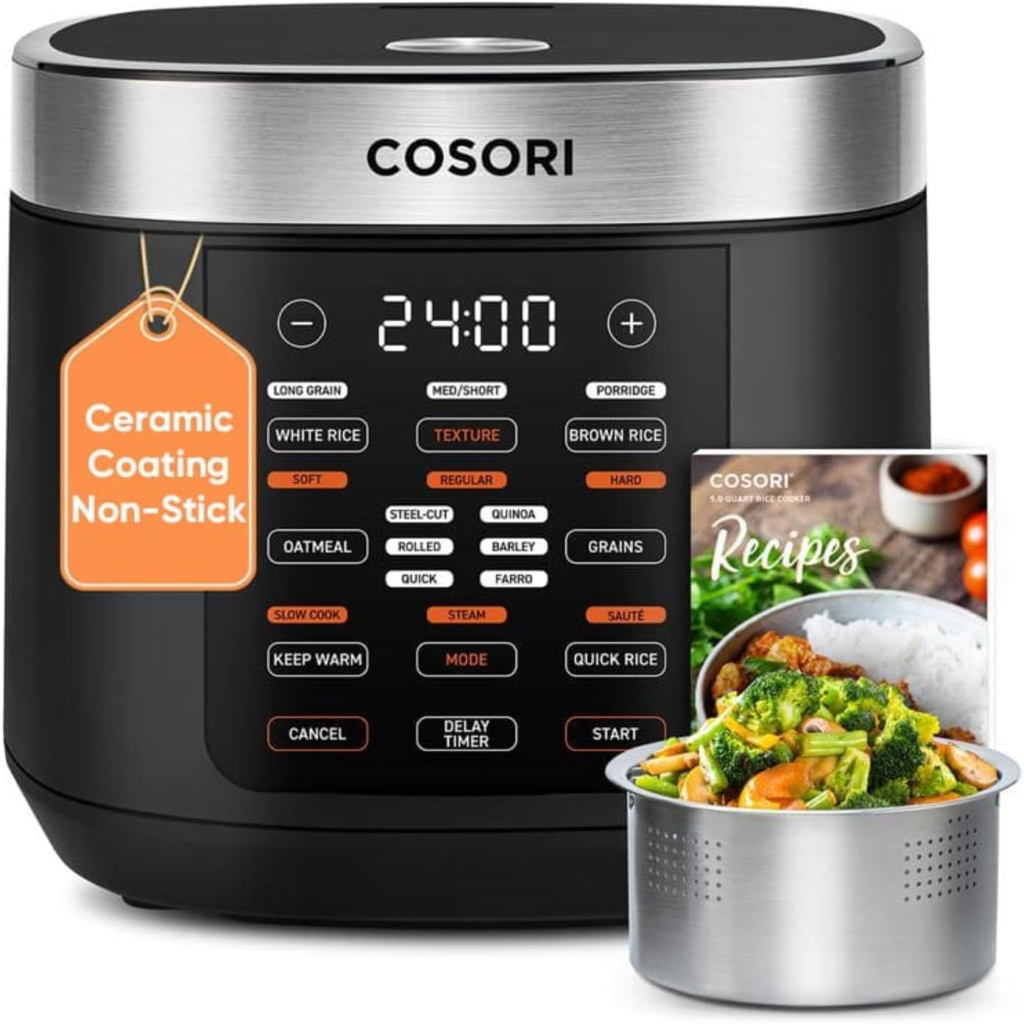
COSORI 10-Cup Rice Cooker – Best Multifunction Large Rice Cooker
This is one of the best large rice cooker options for users who want maximum versatility and performance. The COSORI rice cooker features advanced fuzzy logic technology that automatically adjusts cooking time and temperature for perfect results.
Key Features: Capacity: 10 cups uncooked / up to 20 cups cooked Cooking functions: 18 programs including white rice, brown rice, oats, steam, sauté, and slow cook Material: Nonstick ceramic inner pot Keep warm function: 24-hour keep warm Extra features: Delay timer and smart cooking system
Pros: Very large capacity for families Advanced fuzzy logic for consistent cooking Wide range of cooking functions Great for multi-purpose use
Cons: Takes more space in kitchen Can be complex for beginners
Best for: Families and users who want a versatile large rice cooker
Why choose this product: A powerful all-in-one rice cooker that combines large capacity, smart cooking technology, and multiple functions for everyday use.
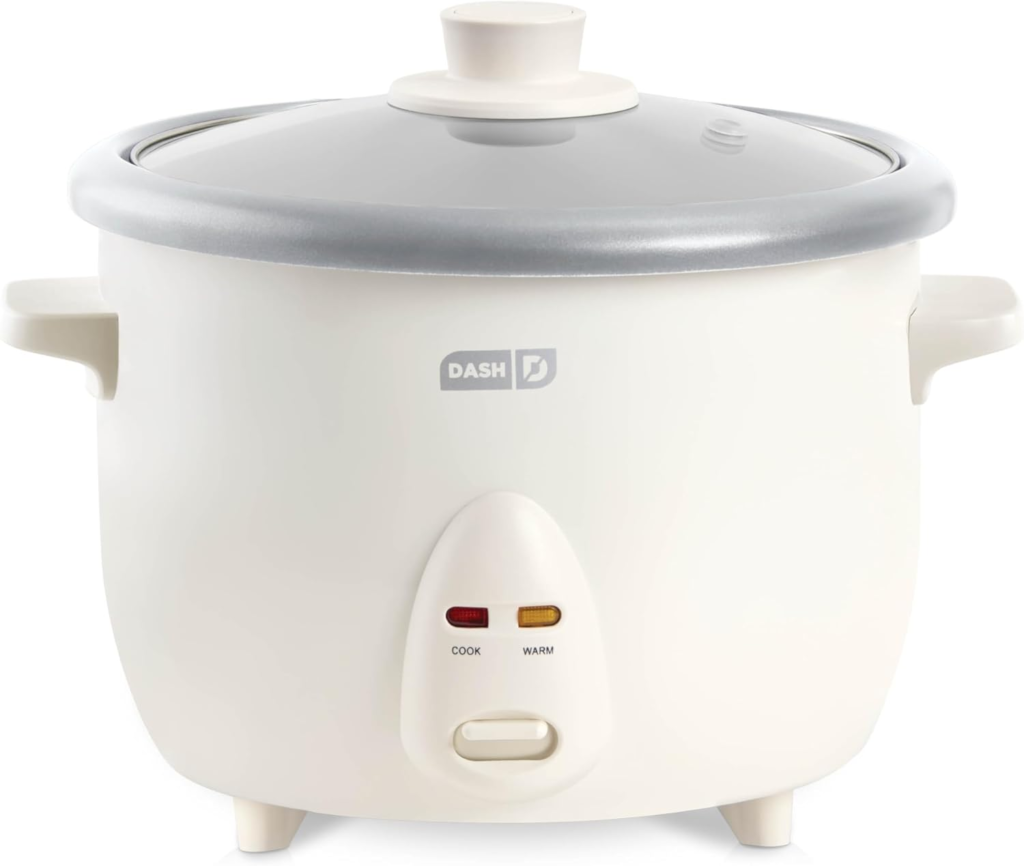
Dash Family Sized Rice Cooker – Best Simple Large Rice Cooker
This is one of the best large rice cooker options for users who want a simple and easy-to-use appliance. The Dash Family Sized rice cooker can prepare up to 20 cups of cooked rice, making it ideal for families, gatherings, and meal prep.
Key Features: Capacity: Up to 20 cups cooked rice Cooking functions: One-touch cooking Material: Ceramic nonstick removable pot Keep warm function: Automatic keep warm Extra features: Includes measuring cup, paddle, and glass lid
Pros: Large capacity for families Very easy to use Affordable price Easy to clean
Cons: No advanced cooking technology Less precise than smart rice cookers
Best for: Families and users who want a simple large rice cooker
Why choose this product: A simple and affordable large rice cooker that is perfect for cooking big portions without complicated settings.
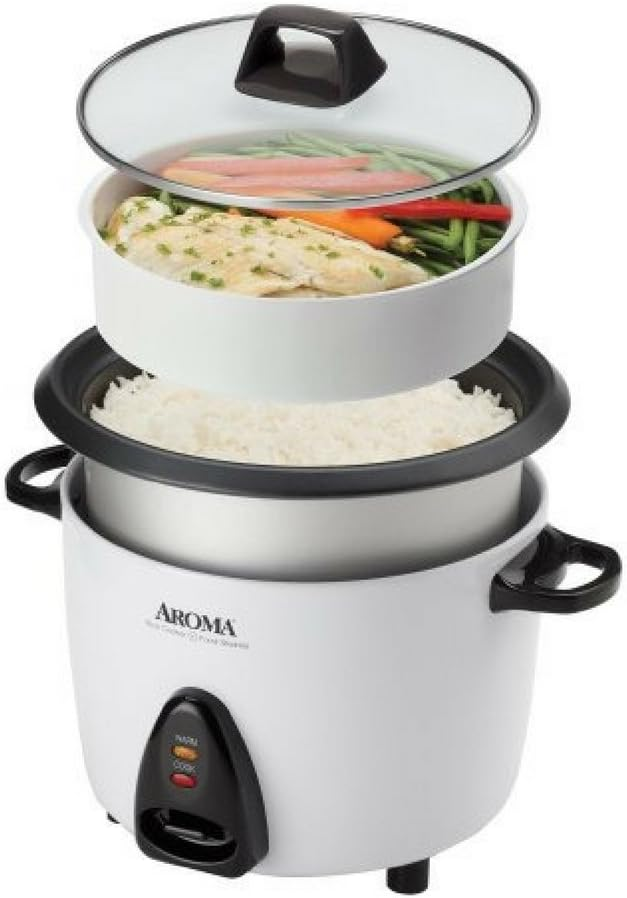
AROMA 10-Cup Rice Cooker – Best Classic Large Rice Cooker
This is one of the best large rice cooker options for users who want a simple and reliable appliance. The AROMA rice cooker offers a large capacity and one-touch operation, making it perfect for everyday family cooking and meal prep.
Key Features: Capacity: 10 cups uncooked / up to 20 cups cooked Cooking functions: One-touch cooking for rice, grains, soups, and more Material: Nonstick removable inner pot Keep warm function: Automatic keep warm after cooking Extra features: Includes steam tray for vegetables and multi-use cooking
Pros: Large capacity for families Very easy to use Affordable price Multi-use (rice, soups, steaming)
Cons: No fuzzy logic or advanced control Less precise than smart models
Best for: Families looking for a simple and reliable large rice cooker
Why choose this product: A classic and budget-friendly rice cooker that delivers consistent results and handles large portions with ease.
Buying Guide: How to Choose the Best Large Rice Cooker
Choosing the best large rice cooker is important if you cook for families, meal prep, or large portions. A large rice cooker should offer enough capacity, reliable performance, and easy operation.
Capacity The best large rice cooker should have at least 8 to 10 cups uncooked capacity. This is ideal for families and batch cooking.
Cooking Technology Models with fuzzy logic provide more precise cooking by automatically adjusting temperature and cooking time. Basic models are simpler but less accurate.
Cooking Functions Look for multiple cooking modes such as white rice, brown rice, steaming, and slow cooking for added versatility.
Ease of Use Simple one-touch cookers are great for beginners, while digital models offer more control and flexibility.
Keep Warm Function A good large rice cooker should keep rice warm for hours without drying it out.
Frequently Asked Questions
What is the best large rice cooker? The best large rice cooker depends on your needs, but models with large capacity and reliable performance are usually the best choice.
What size rice cooker do I need for a family? A 10-cup (uncooked) rice cooker is ideal for most families.
Are large rice cookers worth it? Yes, they are perfect for cooking big portions, saving time, and meal prep.
Can a large rice cooker cook other foods? Yes, many large rice cookers can also cook soups, vegetables, and grains.
How long does a large rice cooker take? Most large rice cookers take between 25 to 50 minutes depending on the type of rice.
The best rice cooker for brown rice is essential if you want perfectly cooked, healthy rice every time. Choosing the best rice cooker for brown rice ensures even cooking, better texture, and consistent results without undercooked grains.
In this guide, we’ve selected the best rice cooker for brown rice options in 2026. Whether you’re looking for a budget-friendly model or a premium rice cooker, these top picks are designed to handle brown rice perfectly.
This article contains affiliate links. As an Amazon Associate, I earn from qualifying purchases at no extra cost to you.
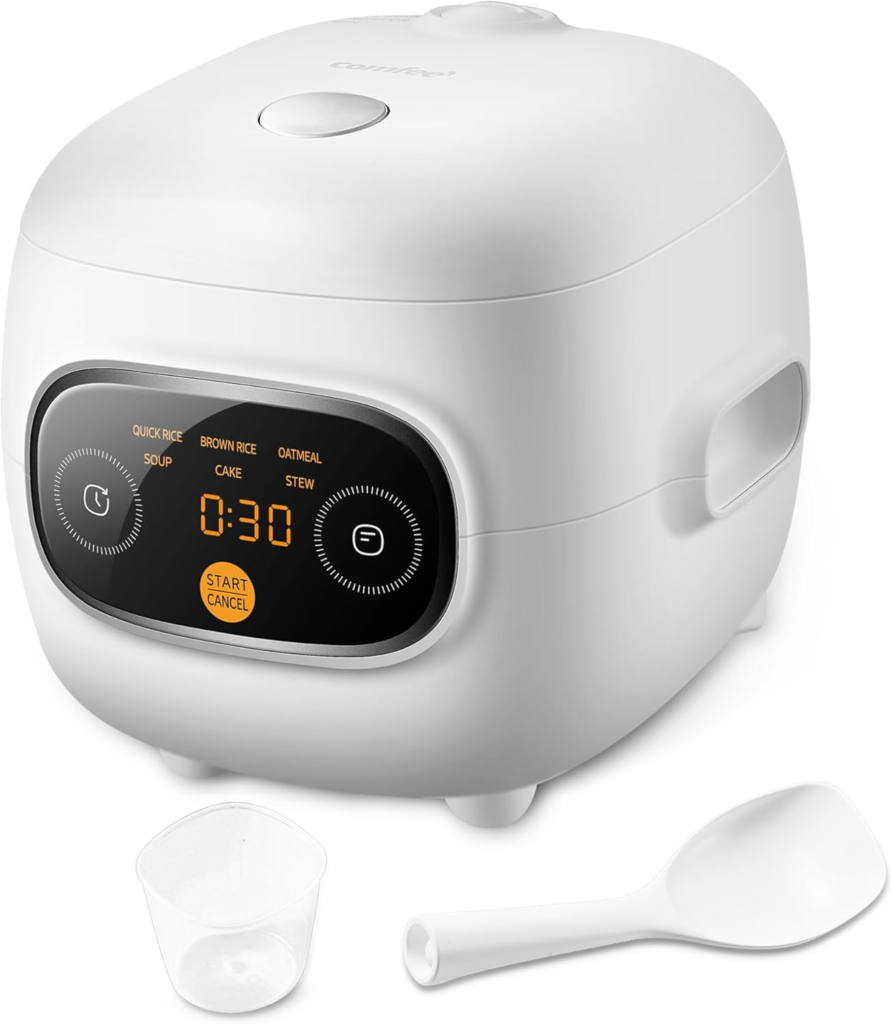
COMFEE’ Mini Rice Cooker – Best Budget Rice Cooker for Brown Rice
This is one of the best rice cooker for brown rice options for users who want a compact and affordable model. The COMFEE’ mini rice cooker includes a dedicated brown rice function, ensuring properly cooked grains with good texture and consistency.
Key Features: Capacity: 2 cups uncooked / 4 cups cooked rice Cooking functions: Multiple programs including brown rice, white rice, and more Material: Nonstick inner pot Keep warm function: Automatic keep warm Extra features: 24-hour delay timer and fast cooking mode
Pros: Affordable and compact design Includes brown rice cooking function Easy to use with multiple settings Good value for money
Cons: Small capacity Basic design compared to premium models
Best for: Singles and small households looking for a budget rice cooker for brown rice
Why choose this product: A compact and budget-friendly rice cooker that handles brown rice well and offers great everyday performance.
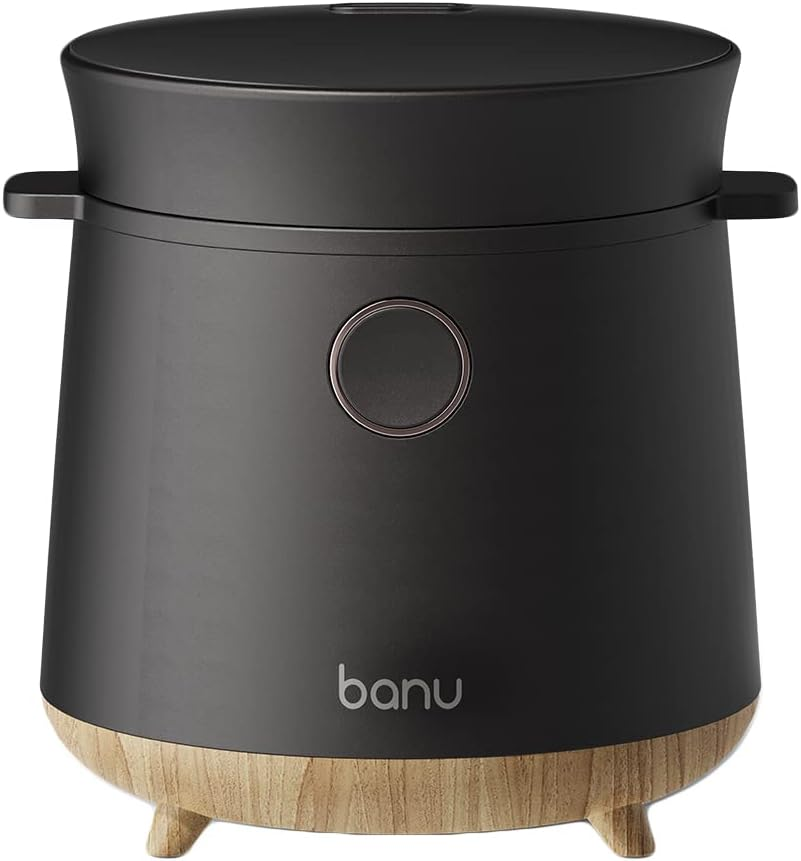
BANU Low Carb Mini Rice Cooker – Best Healthy Rice Cooker for Brown Rice
This is one of the best rice cooker for brown rice options for users who want a healthier way to cook rice. The BANU rice cooker features low-carb and sugar-reducing technology, making it ideal for brown rice and health-conscious cooking.
Key Features: Capacity: 3 cups for white rice / 1 cup for low-carb rice Cooking functions: Preset modes for white rice, brown rice, and low-carb cooking Material: Nonstick inner pot Keep warm function: 24-hour keep warm Extra features: Low-carb and sugar reduction technology
Pros: Great for healthy and low-carb diets Includes dedicated brown rice function Compact and easy to use Unique cooking technology
Cons: Smaller capacity More expensive than basic models
Best for: Health-conscious users and those cooking brown rice regularly
Why choose this product: A unique rice cooker that combines health-focused features with reliable brown rice cooking performance.
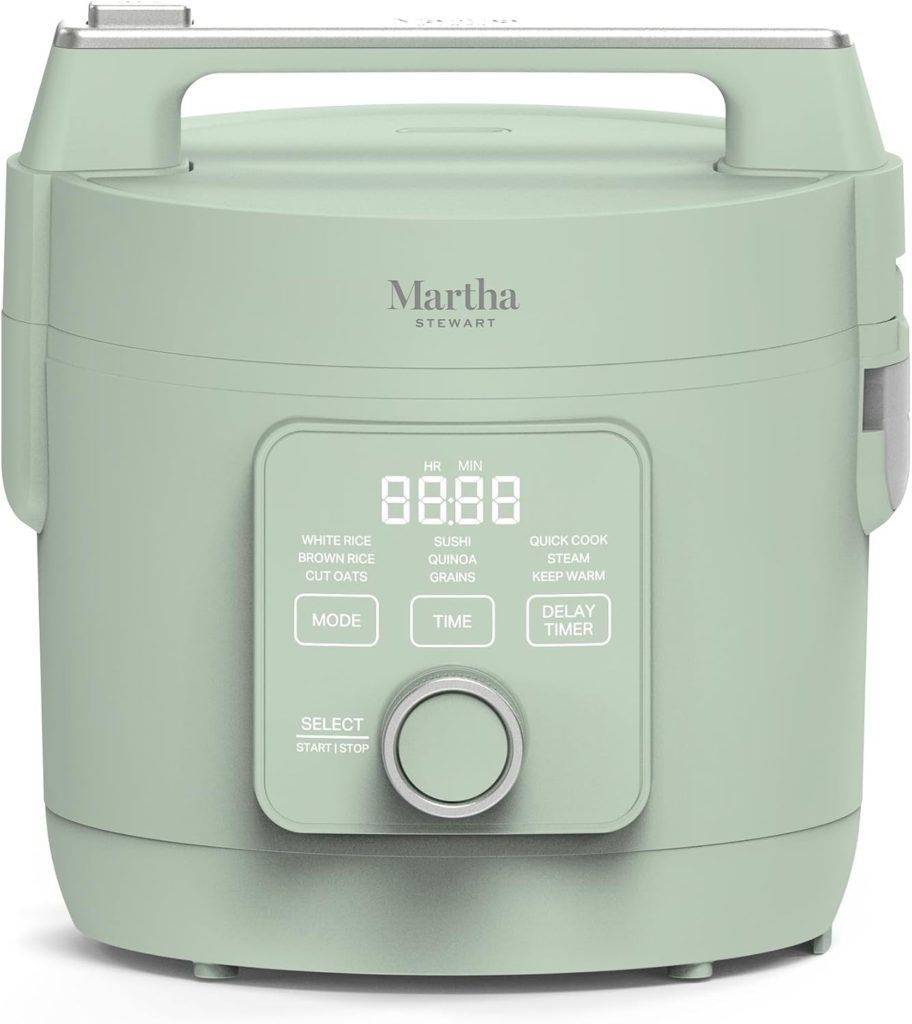
Martha Stewart Rice Cooker 4-Cup – Best Value Rice Cooker for Brown Rice
This is one of the best rice cooker for brown rice options for users who want a balance between performance and design. The Martha Stewart rice cooker includes a dedicated brown rice function, ensuring even cooking and great texture.
Key Features: Capacity: 4 cups uncooked / 8 cups cooked rice Cooking functions: Multiple modes including brown rice and sushi rice Material: Ceramic nonstick removable inner pot Keep warm function: Automatic keep warm Extra features: Steam basket and clear measurement markings
Pros: Reliable brown rice cooking performance Healthy ceramic nonstick coating Good capacity for small families Easy to use
Cons: Limited advanced smart features Slightly higher price than basic models
Best for: Small families and users who cook brown rice regularly
Why choose this product: A stylish and reliable rice cooker that delivers consistent results for brown rice and everyday cooking.
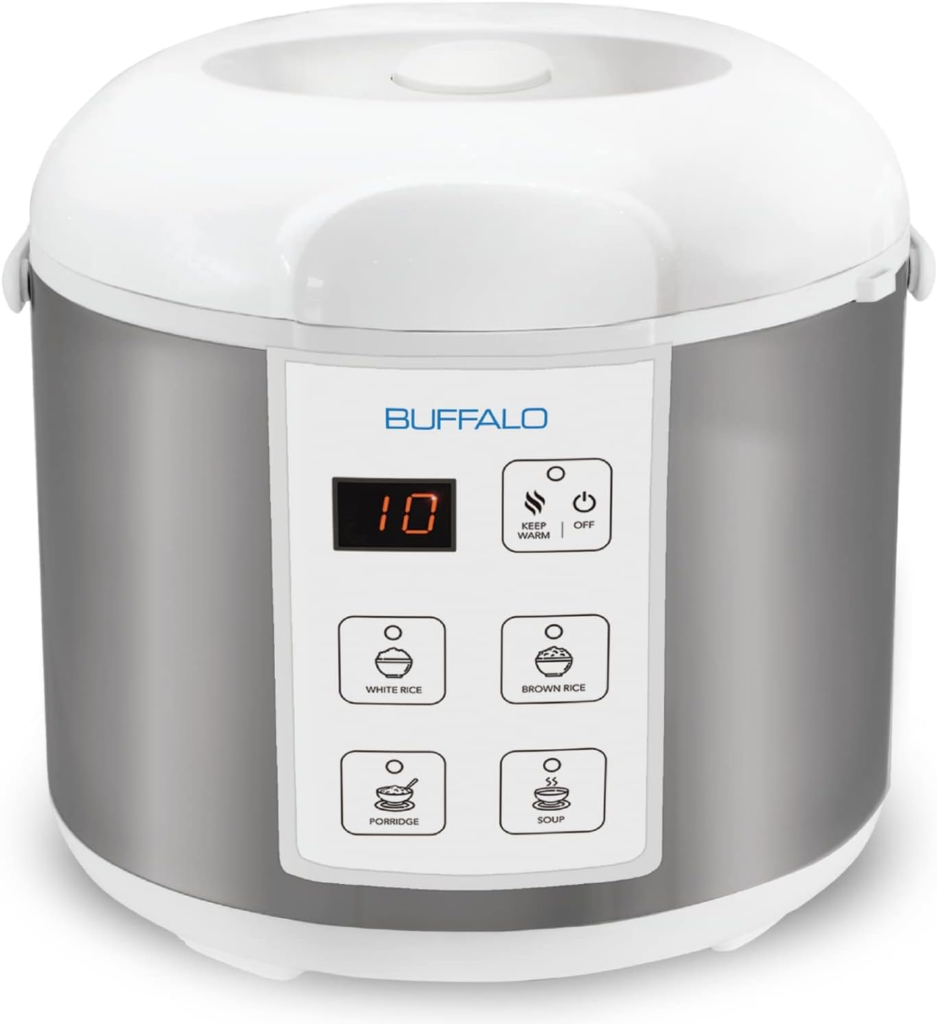
Buffalo Classic Rice Cooker – Best Stainless Steel Rice Cooker for Brown Rice
This is one of the best rice cooker for brown rice options for users who want a high-quality and non-toxic cooking experience. The Buffalo Classic rice cooker features a stainless steel inner pot with no chemical coating, making it a great choice for healthy cooking.
Key Features: Capacity: Up to 10 cups cooked rice Cooking functions: Suitable for white rice, brown rice, and grains Material: Clad stainless steel inner pot (no coating) Keep warm function: Automatic keep warm Extra features: Multi-layer construction for even heat distribution
Pros: No chemical coating (healthier cooking) Excellent heat distribution for brown rice Very durable and long-lasting Premium build quality
Cons: More expensive than basic models Longer cooking time
Best for: Users who want a premium and healthy rice cooker for brown rice
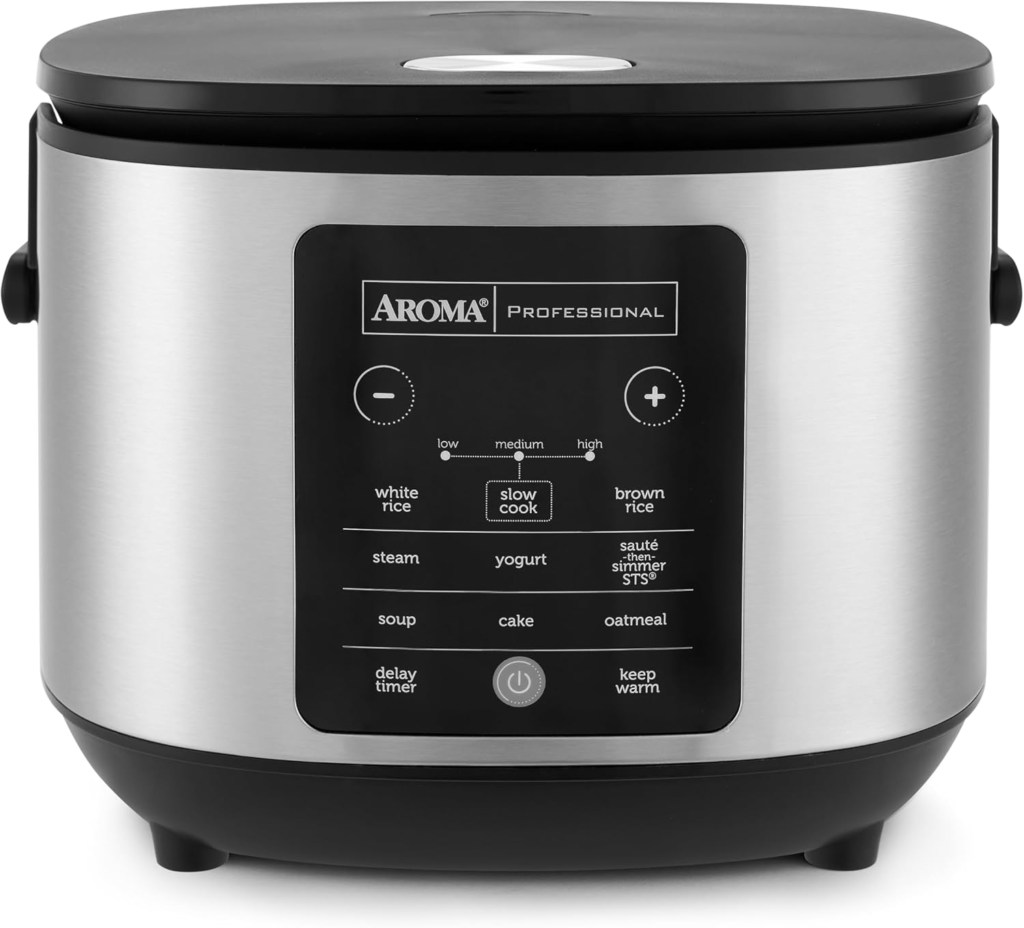
AROMA 6-Cup Rice Cooker – Best Affordable Rice Cooker for Brown Rice
This is one of the best rice cooker for brown rice options for users who want a simple and affordable model. The AROMA rice cooker is designed for easy one-touch operation and can handle brown rice with consistent results.
Key Features: Capacity: 3 cups uncooked / 6 cups cooked rice Cooking functions: One-touch cooking for rice, grains, and more Material: Nonstick removable inner pot Keep warm function: Automatic keep warm after cooking Extra features: Includes steam tray for vegetables and other foods
Pros: Very affordable price Simple and beginner-friendly Reliable for everyday cooking Includes steaming function
Cons: No advanced brown rice optimization (no fuzzy logic) Basic design
Best for: Budget users who want a simple rice cooker for brown rice
Why choose this product: A simple and affordable rice cooker that delivers decent brown rice results without complexity.
Buying Guide: How to Choose the Best Rice Cooker for Brown Rice
Choosing the best rice cooker for brown rice is important if you want perfectly cooked, healthy rice every time. Brown rice requires more precise cooking than white rice, so selecting the right rice cooker makes a big difference.
Brown Rice Function The best rice cooker for brown rice should include a dedicated brown rice setting to ensure proper cooking time and texture.
Fuzzy Logic Technology Advanced rice cookers with fuzzy logic automatically adjust temperature and cooking time, giving better results for brown rice.
Capacity Choose a size based on your needs. Smaller models are great for individuals, while larger rice cookers are better for families.
Inner Pot Quality A high-quality nonstick, ceramic, or stainless steel inner pot helps with even cooking and durability.
Keep Warm Function This feature keeps your rice warm without drying it out after cooking.
Frequently Asked Questions
What is the best rice cooker for brown rice? The best rice cooker for brown rice is one that offers a dedicated brown rice function and consistent cooking performance.
Is brown rice harder to cook in a rice cooker? Yes, brown rice takes longer to cook and requires more water, which is why a good rice cooker is important.
Can all rice cookers cook brown rice? Not all rice cookers perform well with brown rice. Models with specific settings or advanced technology give better results.
How long does brown rice take in a rice cooker? Brown rice typically takes between 40 to 60 minutes depending on the rice cooker.
Is a special rice cooker needed for brown rice? While not required, using the best rice cooker for brown rice will give you much better results.