This blender buying guide for beginners will help you understand what really matters before buying a blender. With so many options available, it’s easy to choose the wrong one. In this guide, you’ll learn how to pick the best blender based on your needs, budget, and daily use.
Blender Buying Guide for Beginners: How to Choose the Best Blender
This blender buying guide for beginners will help you choose the right blender for your needs. With so many options available, it can be confusing to know which blender is the best for you. Some blenders are designed for simple tasks like making smoothies, while others are powerful enough to crush ice and blend tough ingredients. In this guide, you will learn everything you need to know before buying a blender so you can make the right choice.
Types of Blenders
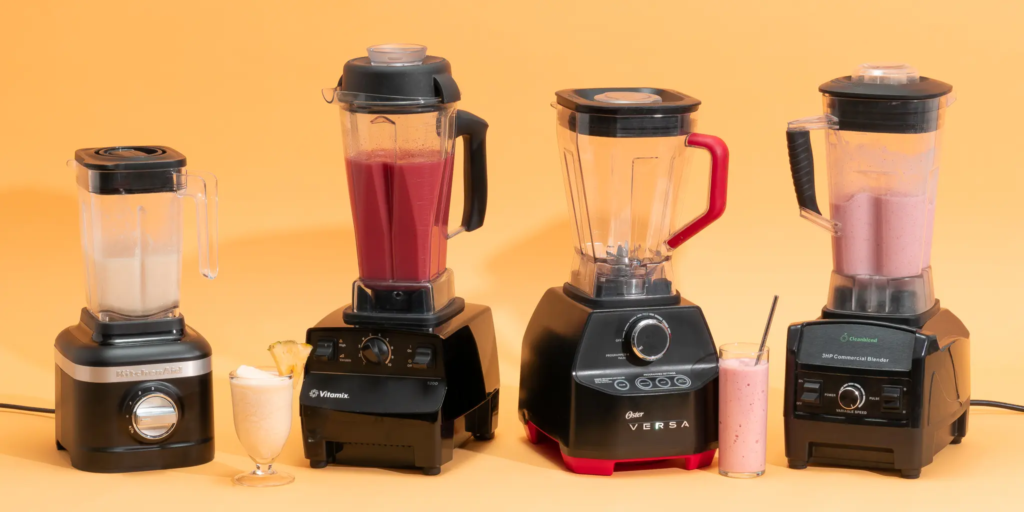
There are several types of blenders, and each one is designed for a specific purpose. Countertop blenders are the most common and are ideal for everyday use. They are powerful, versatile, and can handle smoothies, soups, and even ice crushing. Personal blenders are smaller and more compact, making them perfect for single servings. They are easy to use and convenient for quick drinks. Immersion blenders, also known as hand blenders, are handheld devices that are great for blending soups and sauces directly in a pot or bowl.
What Will You Use It For
Before buying a blender, it is important to think about how you plan to use it. If you mainly want to make smoothies, you will need a blender with enough power to blend fruits and vegetables smoothly. If you want to crush ice or make frozen drinks, a high-powered blender is necessary. For soups and sauces, an immersion blender can be a good option. If you only need a blender for protein shakes, a basic model will usually be enough. Understanding your needs will help you choose the right blender without overspending.
Blender Power (Wattage)
Power is one of the most important factors to consider when choosing a blender. Blenders with 300 to 600 watts are suitable for basic tasks such as blending soft fruits and making simple drinks. Blenders with 700 to 1000 watts offer better performance and can handle smoothies and slightly tougher ingredients. Blenders with over 1000 watts are considered high-powered and are ideal for crushing ice, blending nuts, and handling heavy use. A more powerful blender will generally give you smoother results and better performance.
Blade Quality
The quality of the blades plays a major role in how well a blender performs. High-quality stainless steel blades are durable and stay sharp for a long time. Well-designed blades can blend ingredients more evenly and efficiently. Cheap or poorly designed blades may struggle with harder ingredients and can result in uneven textures. When choosing a blender, it is important to look for strong and reliable blade construction.
Speed Settings and Functions
Most modern blenders come with multiple speed settings and additional functions. Low speed is useful for soft ingredients, while high speed is better for tougher ingredients. The pulse function allows you to control the blending process more precisely, which is helpful when you want a specific texture. Some blenders also come with pre-programmed settings for smoothies, soups, or ice crushing. These features can make the blender easier to use, especially for beginners.
Jar Material
Blender jars are usually made from either glass or plastic, and each material has its advantages. Glass jars are durable, resistant to scratches, and do not absorb odors or stains. However, they are heavier and can break if dropped. Plastic jars are lighter and more resistant to breaking, but they can scratch over time and may absorb smells. Choosing between glass and plastic depends on your preference and how you plan to use the blender.
Size and Capacity
The size and capacity of the blender are also important factors to consider. If you are making drinks for one or two people, a smaller blender will be sufficient. For families or if you like to prepare large batches, a bigger blender is a better choice. Choosing the right size will make your blender more convenient to use and avoid unnecessary waste or effort.
Budget Guide
Blenders come in a wide range of prices, so it is important to choose one that fits your budget. Blenders under $100 are suitable for basic use but may not be very durable. Blenders in the $100 to $300 range offer better performance, stronger motors, and improved build quality. High-end blenders above $300 are designed for heavy use and provide excellent performance and durability. While it may be tempting to choose the cheapest option, investing in a better-quality blender can save you money in the long run.
Common Mistakes to Avoid
Many beginners make mistakes when buying a blender. One common mistake is choosing a blender that is too cheap, which often leads to poor performance and a shorter lifespan. Another mistake is ignoring the power of the motor, which can result in a blender that cannot handle your needs. Buying the wrong type of blender is also a common issue, especially if you do not consider how you will use it. Not checking reviews before buying can also lead to disappointment. Avoiding these mistakes will help you make a better decision.
Conclusion
Choosing the right blender does not have to be difficult if you know what to look for. By understanding the different types of blenders, considering your needs, and paying attention to important features like power, blade quality, and size, you can find the perfect blender for your kitchen. This blender buying guide for beginners gives you everything you need to make a smart and confident decision.
Geef een reactie