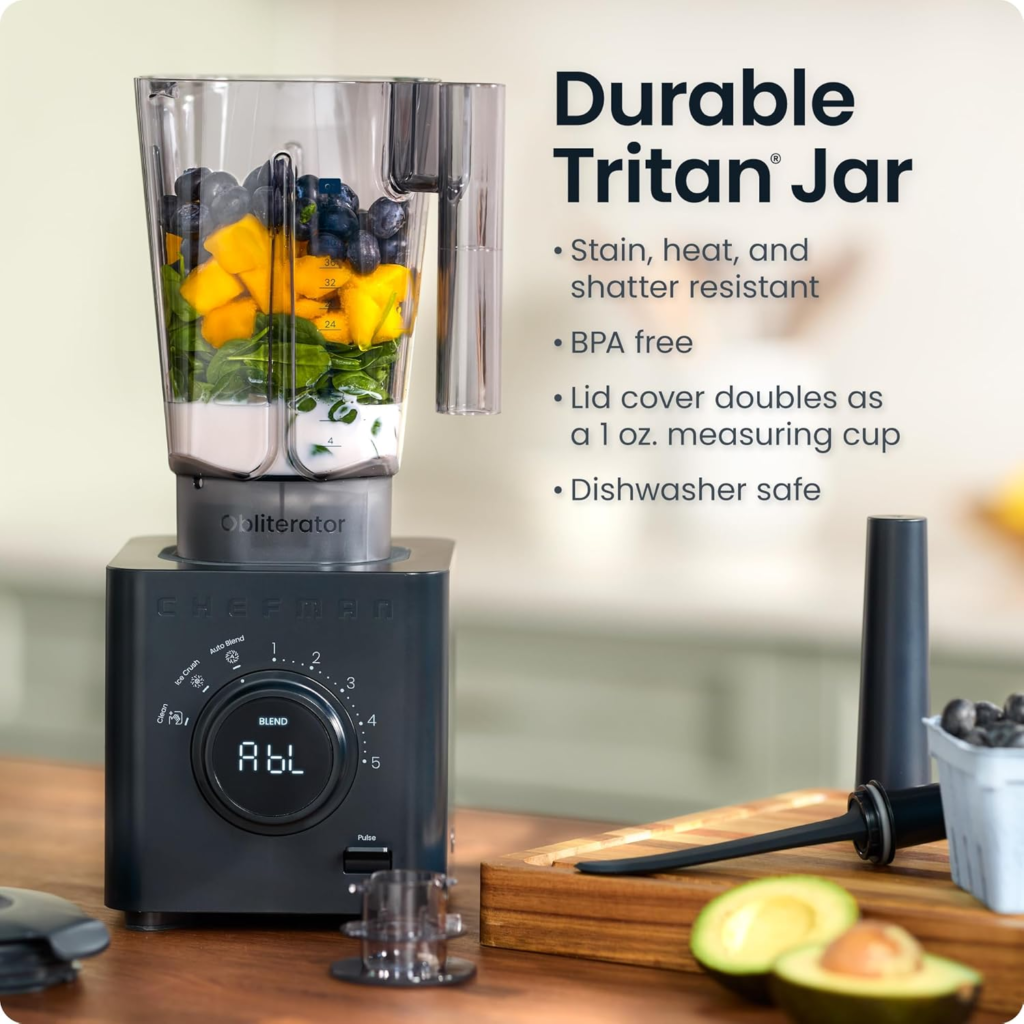
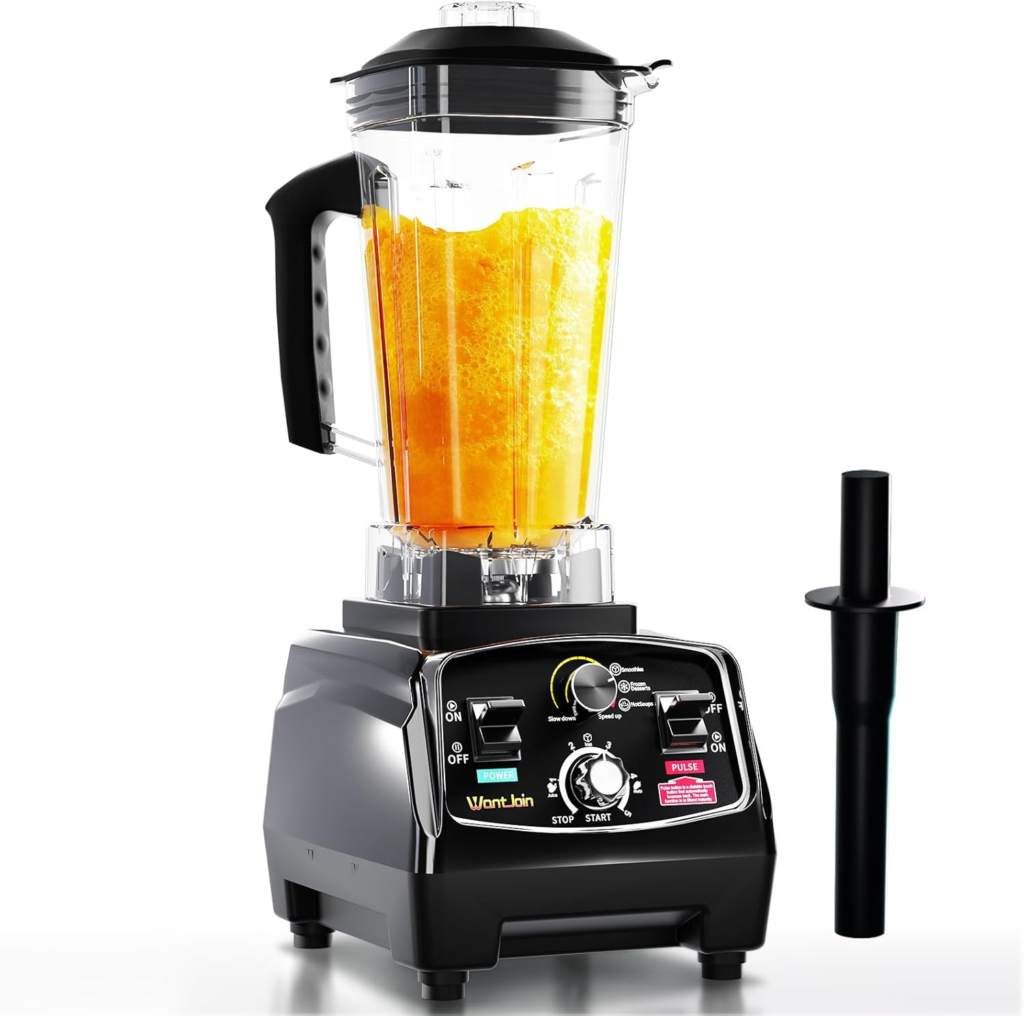
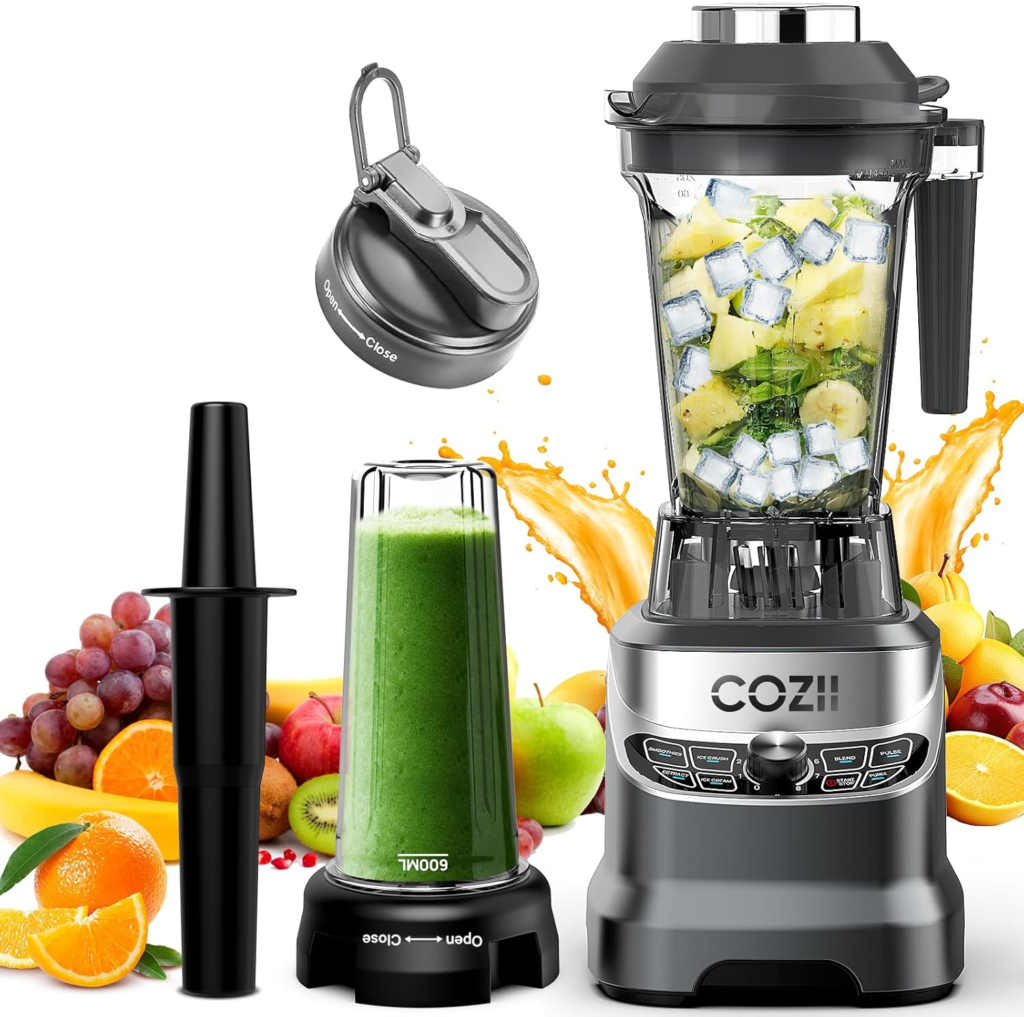
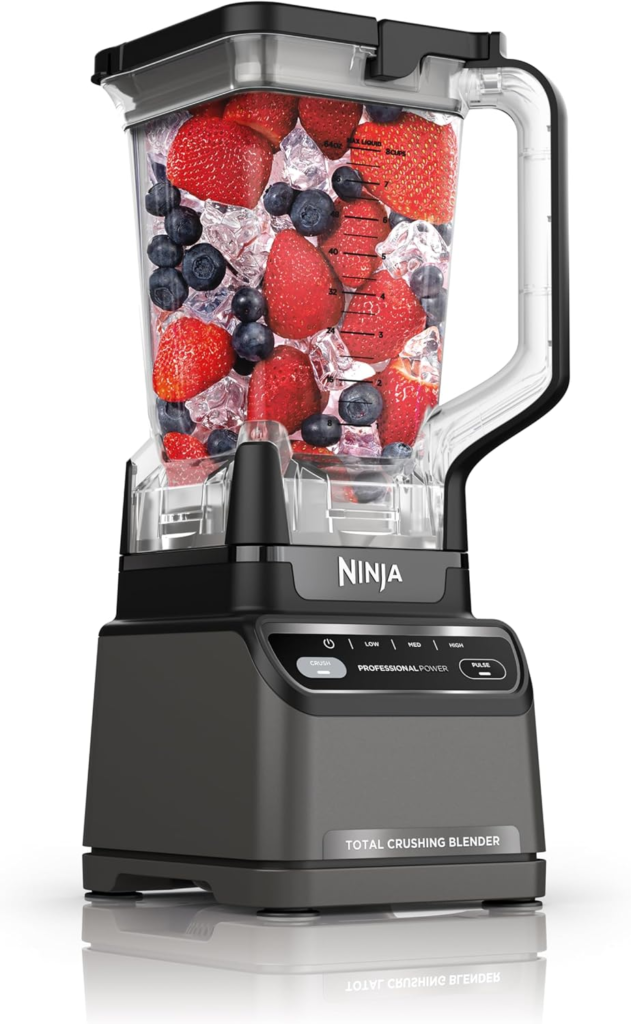
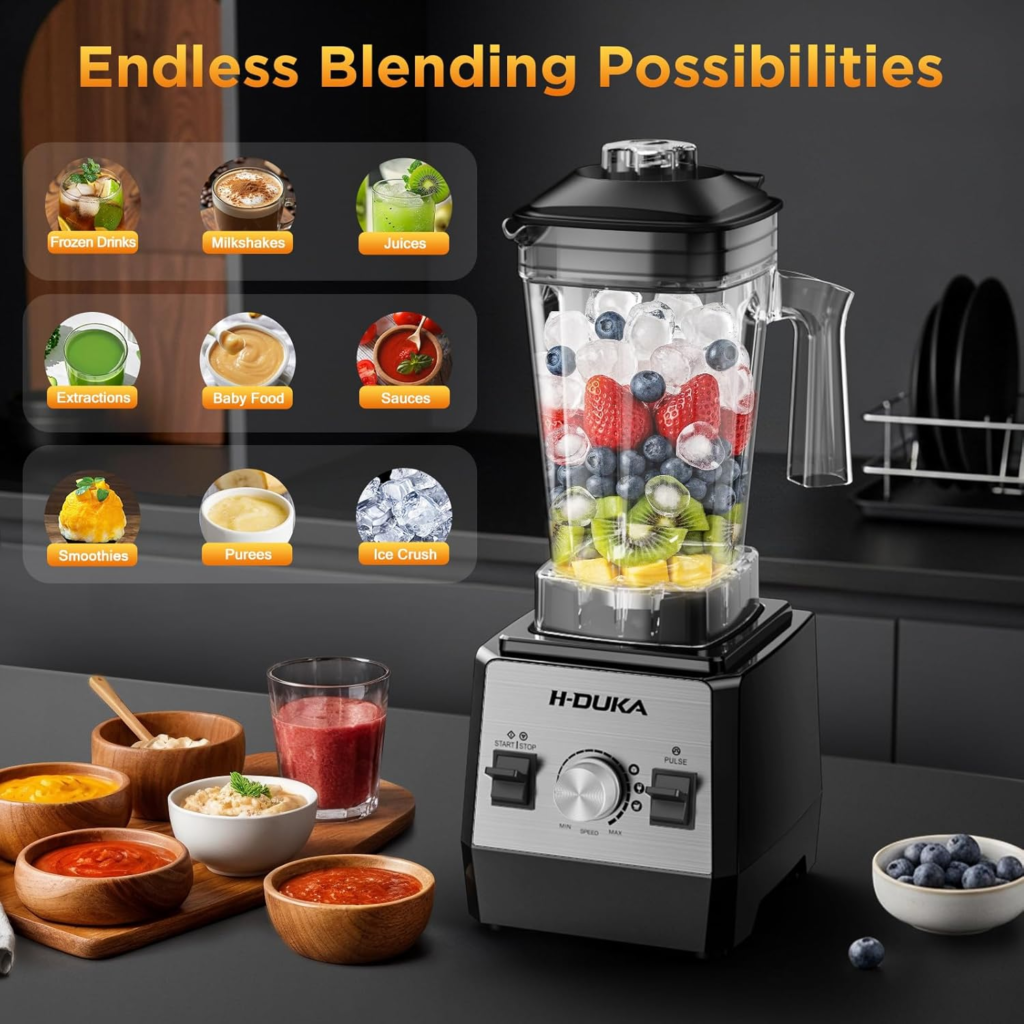
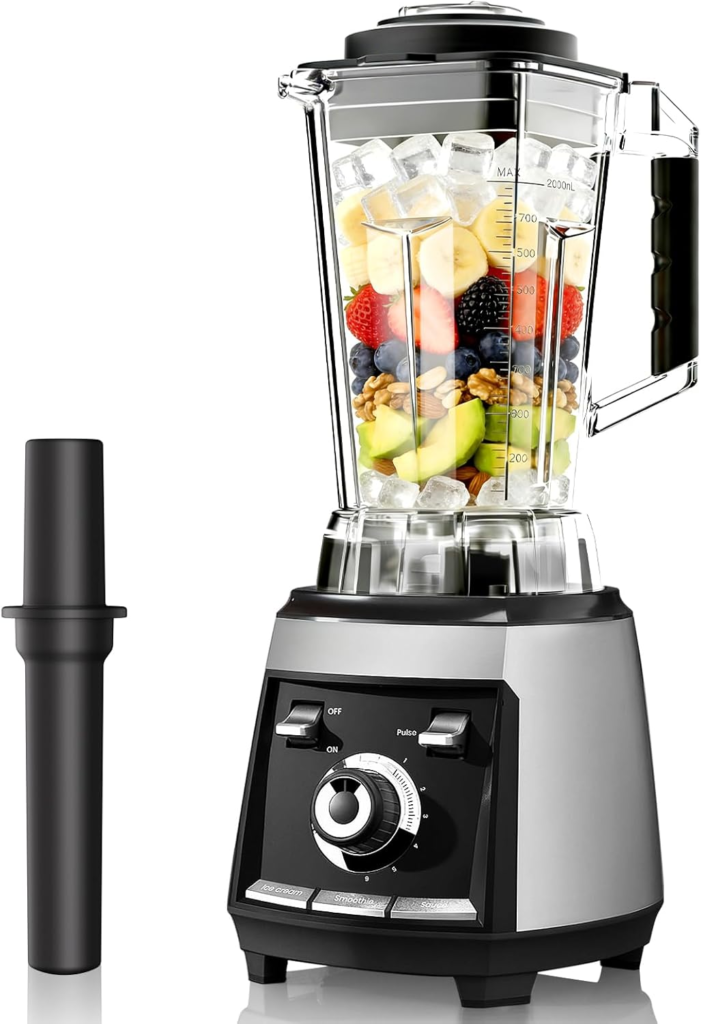
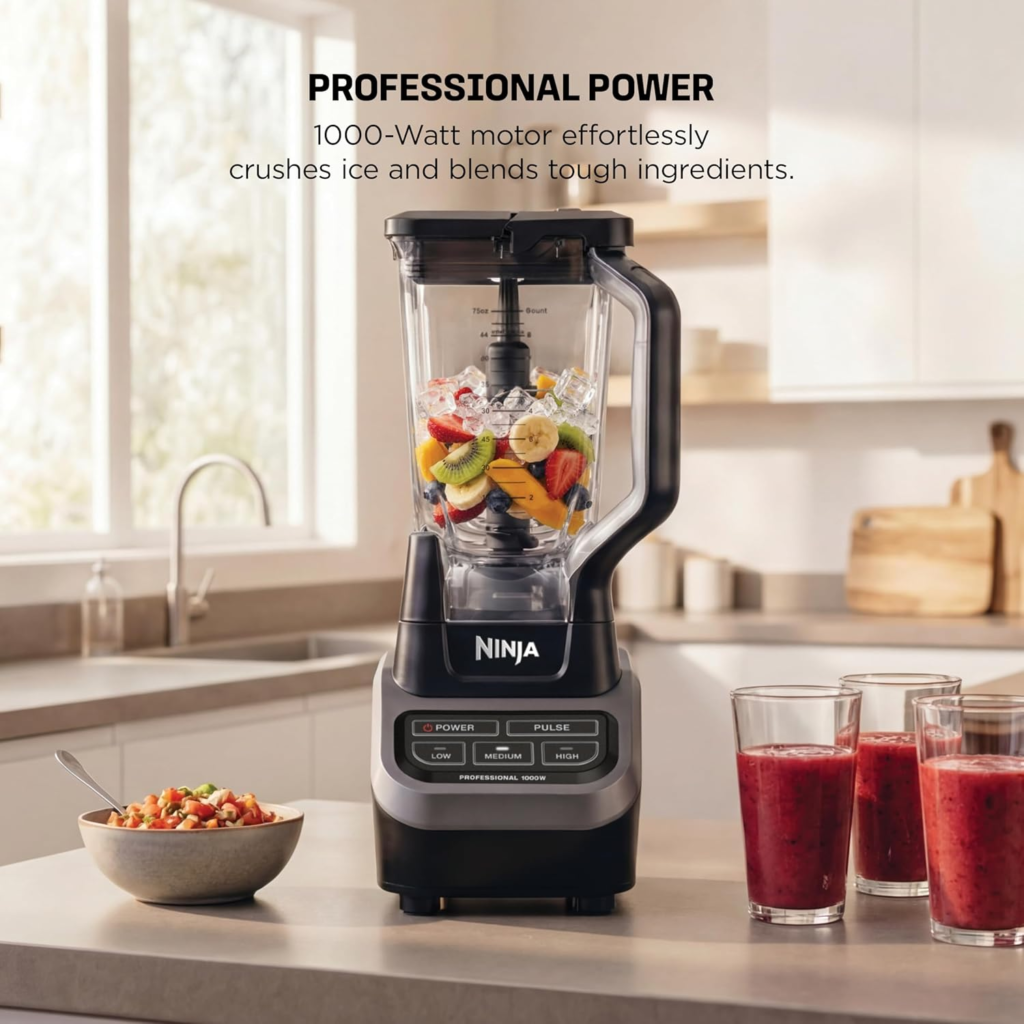
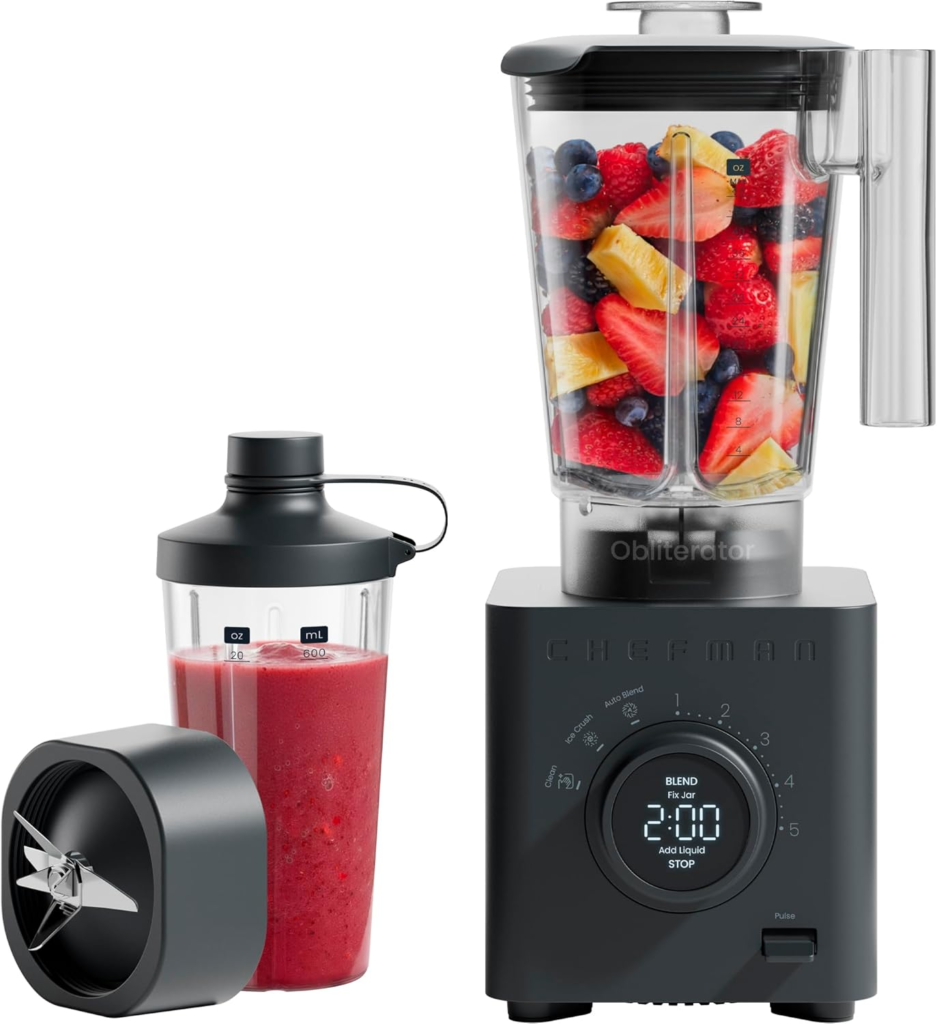
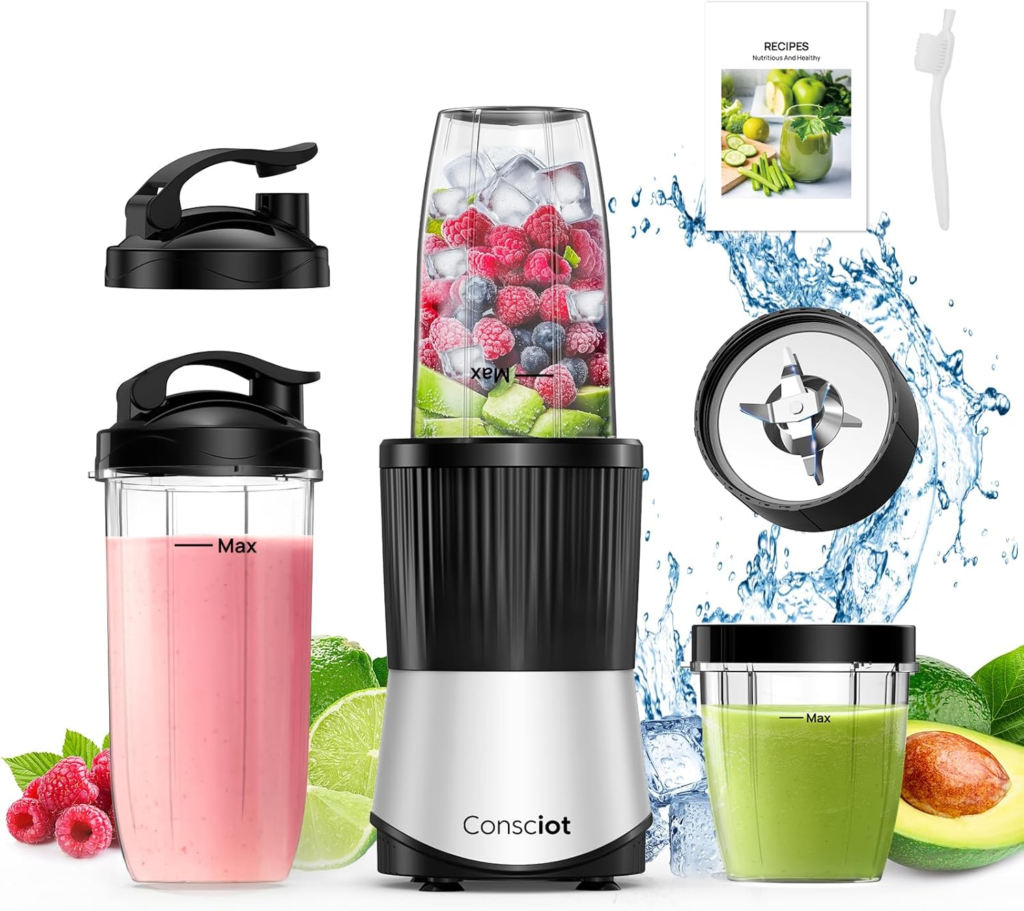
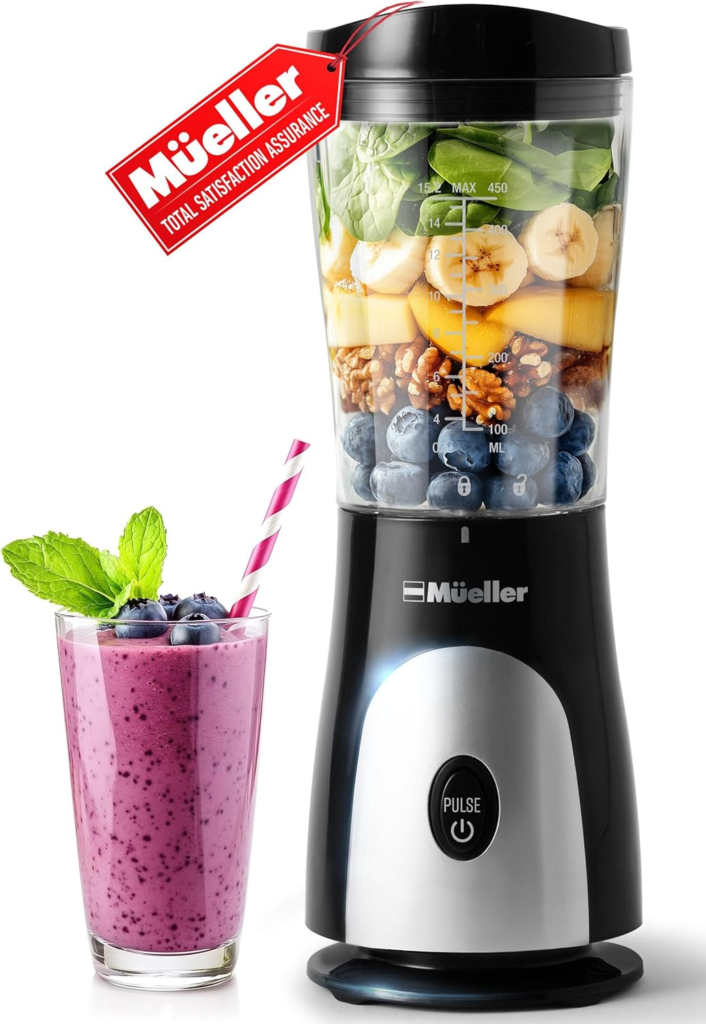
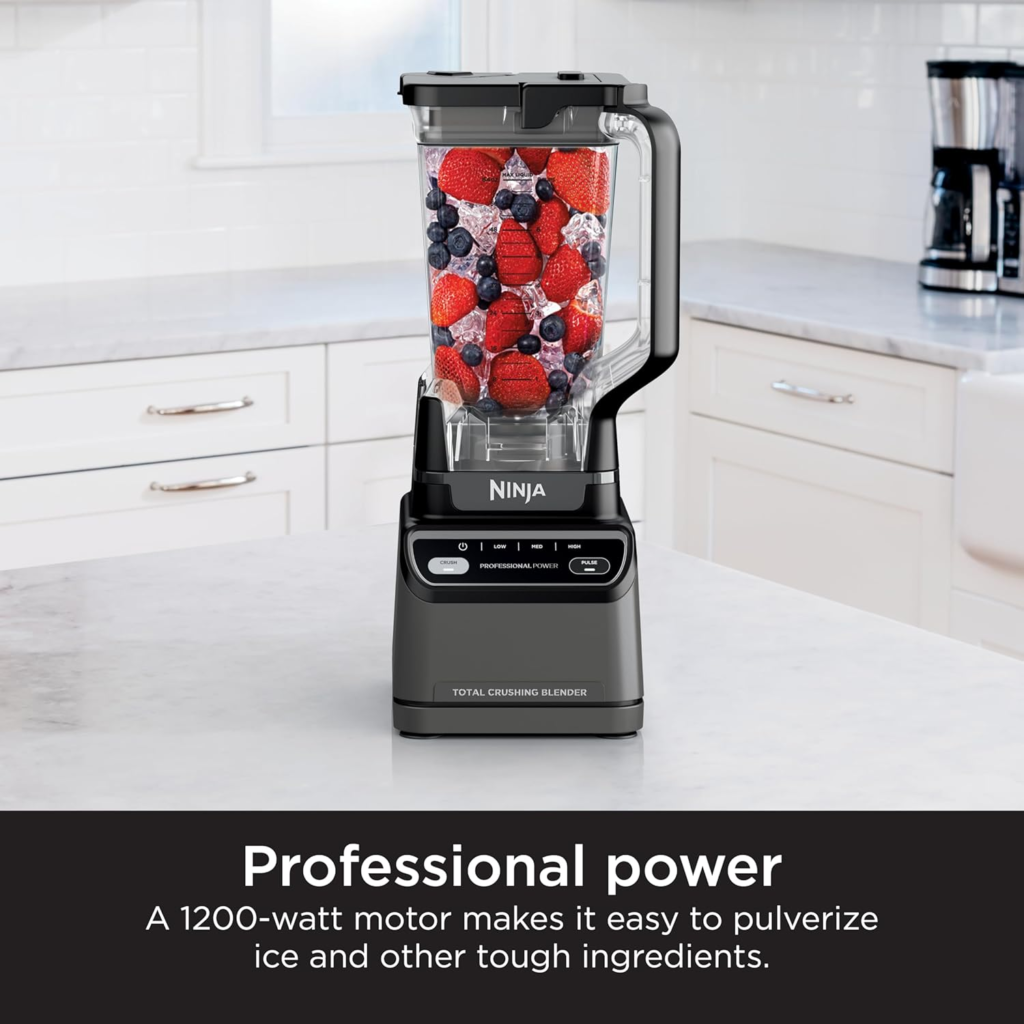
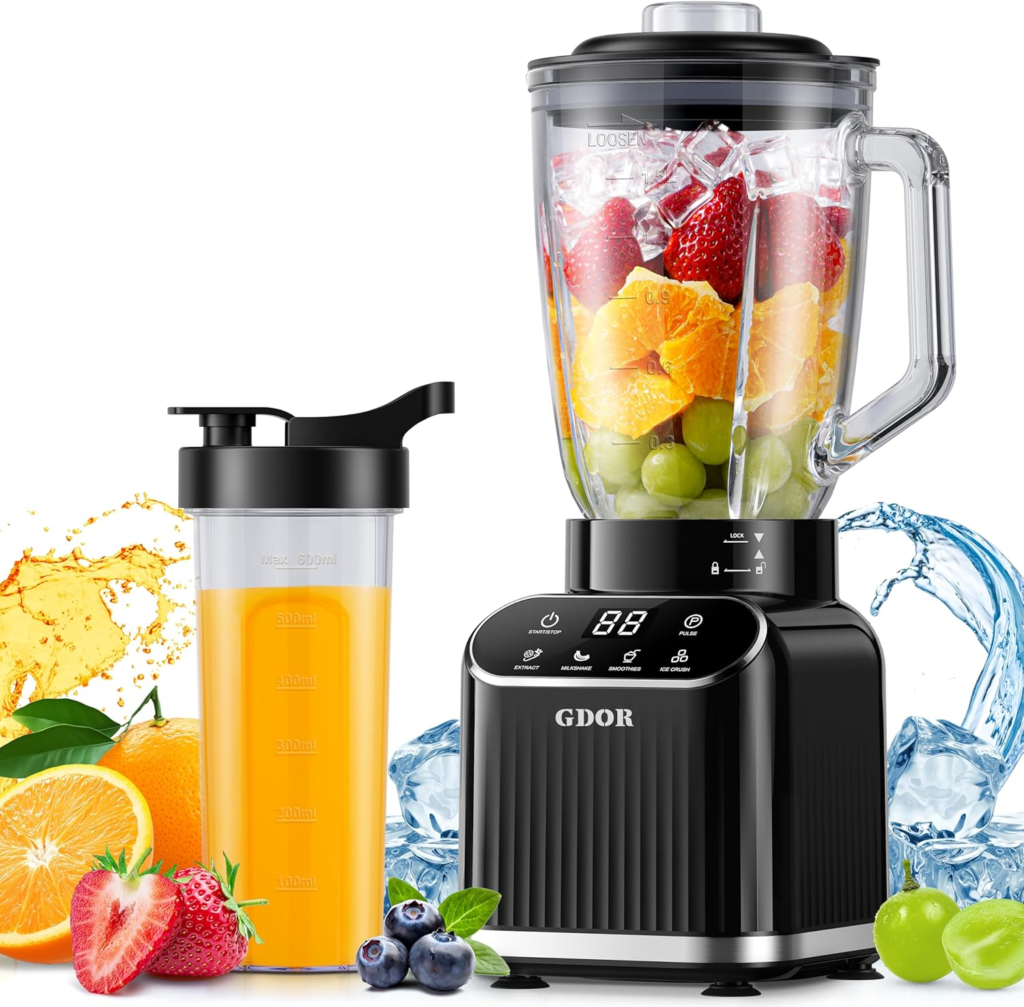
Frozen fruit is a popular ingredient for smoothies and cold drinks, but many people still wonder: can a blender handle frozen fruit?
The answer is yes, most blenders can handle frozen fruit, but performance depends on the power and design of the blender. Some models can blend frozen fruit smoothly, while others may struggle or leave chunks behind.
Using frozen ingredients correctly is important if you want a smooth texture and to avoid putting too much strain on your blender. In this article, you will learn how well blenders handle frozen fruit, what affects performance, and how to get the best results.
Can a Blender Handle Frozen Fruit?
Frozen fruit is a popular ingredient for smoothies and cold drinks, but many people still wonder: can a blender handle frozen fruit?
The answer is yes, most blenders can handle frozen fruit, but performance depends on the power and design of the blender. Some models can blend frozen fruit smoothly, while others may struggle or leave chunks behind.
Using frozen ingredients correctly is important if you want a smooth texture and to avoid putting too much strain on your blender. In this article, you will learn how well blenders handle frozen fruit, what affects performance, and how to get the best results.
How Blenders Process Frozen Fruit
To understand can a blender handle frozen fruit, it helps to know what happens inside the blender. Frozen fruit is harder than fresh ingredients, which means the blades need more force to break it down.
A strong motor allows the blades to keep spinning at a consistent speed, even when the mixture is thick. If the motor is not powerful enough, the blender may slow down or stop blending evenly. This is why some blenders produce smooth results while others leave pieces behind.
Do All Blenders Handle Frozen Fruit Well?
Not every blender performs the same when it comes to frozen ingredients. While the answer to can a blender handle frozen fruit is generally yes, the quality of the result depends on the blender.
Lower-powered blenders can struggle with frozen fruit, especially if there is not enough liquid in the container. This can lead to uneven blending or extra strain on the motor. Higher-quality blenders are designed to handle thicker mixtures and can process frozen fruit more efficiently.
Choosing the right blender makes a noticeable difference in texture and ease of use.
What Affects Blending Performance
Several factors influence how well a blender handles frozen fruit. Motor power plays a key role, as stronger motors can process harder ingredients more easily. Blade design also matters, since sharp and durable blades are better at breaking down frozen pieces.
The amount of liquid added to the blender is another important factor. Without enough liquid, the ingredients may not move properly, making it harder for the blades to do their job. The size of the frozen pieces can also affect performance, as smaller pieces are easier to blend.
Understanding these factors helps explain why results can vary from one blender to another.
Tips for Blending Frozen Fruit
Using the right technique is just as important as having a good blender. When thinking about can a blender handle frozen fruit, how you use the blender can greatly improve the outcome.
Adding liquid before the frozen fruit helps the blades move more freely. Letting the fruit sit for a short time can slightly soften it, making blending easier. Starting at a lower speed and gradually increasing it can also help create a smoother consistency.
These simple adjustments can make blending frozen fruit much more effective.
Common Problems and How to Avoid Them
Even if your blender can handle frozen fruit, problems can still occur. One common issue is uneven blending, where some pieces remain unprocessed. This usually happens when there is not enough liquid or when the blender is overloaded.
Another problem is the blender getting stuck or slowing down. This can be caused by thick mixtures or large frozen chunks. Using smaller portions and proper technique can help prevent these issues.
Taking care of your blender and using it correctly will improve both performance and durability.
Frozen Fruit vs Fresh Fruit
There is a noticeable difference between blending frozen and fresh fruit. When asking can a blender handle frozen fruit, it is important to understand this difference.
Frozen fruit creates a thicker and colder texture, which is ideal for smoothies. However, it requires more power to blend. Fresh fruit is softer and easier to process, resulting in a smoother and lighter consistency.
Both options have their benefits, and choosing between them depends on your preference.
Conclusion
So, can a blender handle frozen fruit? Yes, most blenders can, but the results depend on the power, design, and how the blender is used.
A strong blender combined with the right technique can easily process frozen fruit into smooth and consistent blends. By understanding what affects performance and avoiding common mistakes, you can get the best results every time.
Frozen fruit is a great addition to many recipes, and with the right approach, your blender can handle it without any problems.